In e-commerce and quick commerce, a delivery slot does not wait. When a van will not start, an electric three-wheeler's battery is flat or a rider's bike has worn brakes, orders pile up at the hub. Indian delivery fleets now mix company vans, electric three-wheelers and partner-owned two-wheelers across many hubs. Keeping them running takes fast pre-shift checks, battery care, partner audits and clear uptime numbers. This guide covers each one and how teams run delivery fleet checks in HVI.
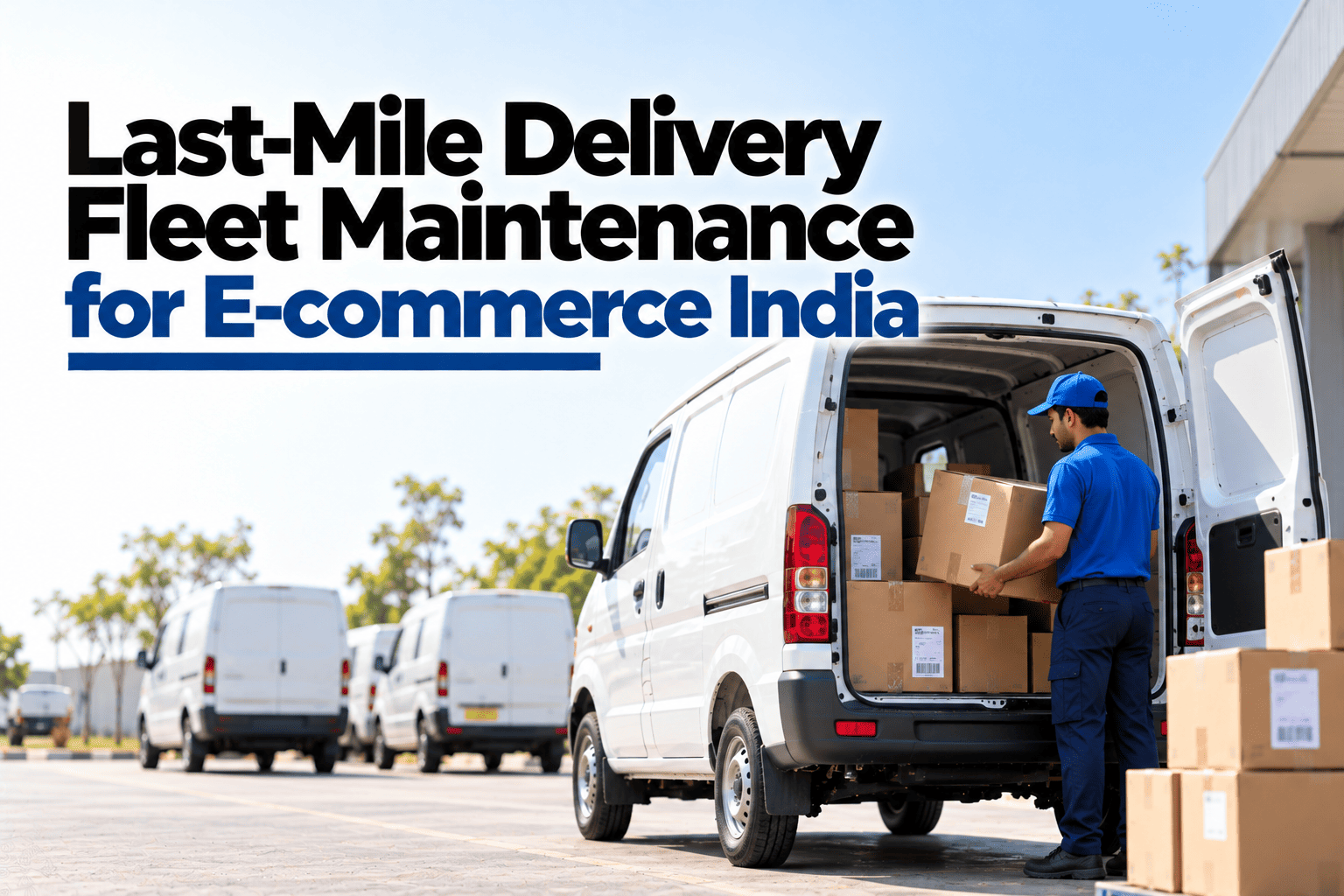
Last-Mile Delivery Fleet Maintenance for E-commerce India
Keep vans, electric three-wheelers and rider vehicles ready for every shift, cut breakdowns during peak hours and see uptime and cost per drop for every hub.
- Brakes and clutch
- Tyres and suspension
- Cargo door and lights
- Battery charge and health
- Brakes and tyres
- Water protection
- Brakes and tyres
- Lights and horn
- Papers and helmet
The One-Minute Pre-Shift Check at the Hub
Before a vehicle leaves the hub, a quick check catches the faults most likely to stop it mid-route. Keep it short so it actually happens.
Battery and EV Care for Delivery Fleets
Electric three-wheelers and two-wheelers are cheap to run, but battery habits decide how long they last. Follow the vehicle and battery maker's guidance.
Charging habits
Charge as the maker recommends and avoid running batteries completely flat on long shifts.
Charging points
Check chargers, cables and plugs for damage and loose connections every week.
Heat
Park and charge in shade where possible, as heat shortens battery life.
Swappable batteries
Record which battery goes into which vehicle to trace faulty packs.
Brakes and tyres
Heavier EVs wear brakes and tyres faster, so check them often.
Water
Avoid deep water and check connectors and seals after heavy rain.
Every Vehicle Checked Before Every Shift
HVI gives riders and drivers a one-minute pre-shift checklist on their phone and shows hub managers which vehicles are ready, which failed and which are due for service.
Auditing Rider-Owned and Vendor Vehicles
Many delivery vehicles belong to riders or vendors, but an unsafe vehicle still carries your brand. Simple audits keep standards consistent.
Onboarding check
Inspect the vehicle and verify papers before the first shift.
Regular audit
Repeat a short photo audit at a set interval.
Papers
Keep licence, registration, insurance and pollution certificate valid.
Safety gear
Check helmets and reflective gear are in use.
Fix and recheck
Pause failed vehicles until the fault is fixed.
Monsoon Readiness for City Delivery Fleets
Rain brings order spikes and road hazards at the same time. Prepare vehicles before the season starts.
- Replace worn tyres and brake pads or shoes
- Check lights, wipers and horns on every vehicle
- Inspect EV connectors, seals and charging points
- Issue rain covers for cargo and riders
- Avoid routes through deep water
- Check brakes after riding through water
- Dry and inspect vehicles that faced flooding
- Report any electrical fault on EVs at once
Uptime and Cost per Drop
Two numbers tell a delivery business whether its fleet is healthy. The figures below are illustrative.
A Multi-Hub Fleet View in HVI
A sample weekly view across city hubs. Uptime, failed checks and audits due sit side by side for every hub.
| Hub | Vehicles | Shift uptime | Failed checks | Partner audits due | Status |
|---|---|---|---|---|---|
| Hub A, central | 64 | 96% | 3 | 2 | Healthy |
| Hub B, east | 48 | 89% | 9 | 11 | Audits overdue |
| Hub C, south | 52 | 81% | 17 | 4 | Uptime low |
Last-Mile Delivery Fleet FAQs
What checks should delivery riders do before each shift?
A quick check of tyres, brakes, lights, horn, charge or fuel level, warning lights and the cargo box covers the faults most likely to stop a vehicle mid-route. Keeping the check to about a minute makes it far more likely to happen every day.
How can electric delivery vehicle batteries last longer?
Follow the maker's charging guidance, avoid fully draining batteries, charge and park in shade where possible and keep chargers in good condition. For swappable batteries, track which pack goes into which vehicle so faulty packs can be found quickly.
Should companies inspect rider-owned delivery vehicles?
Yes. An unsafe vehicle on a delivery affects safety and the brand, even if the rider owns it. An onboarding check, regular photo audits and valid papers keep standards consistent. Teams that run partner audits in HVI see which vehicles are due or overdue.
How is cost per drop calculated for a delivery fleet?
Add the monthly cost of a vehicle, including lease or ownership, fuel or charging, maintenance and insurance, and divide by the deliveries it made that month. Comparing cost per drop across vehicle types and hubs shows where the fleet mix can improve.
How can hub managers improve fleet uptime?
Run pre-shift checks, fix failed vehicles the same day, keep services and battery care on schedule and prepare for monsoon early. Tracking uptime by hub shows where to focus. Book a demo to see multi-hub fleet tracking in HVI.
Every Slot Covered, Every Vehicle Ready
Run one-minute pre-shift checks, audit partner vehicles, track battery care and see uptime and cost per drop for every hub in HVI. Fewer missed slots and a safer delivery fleet.