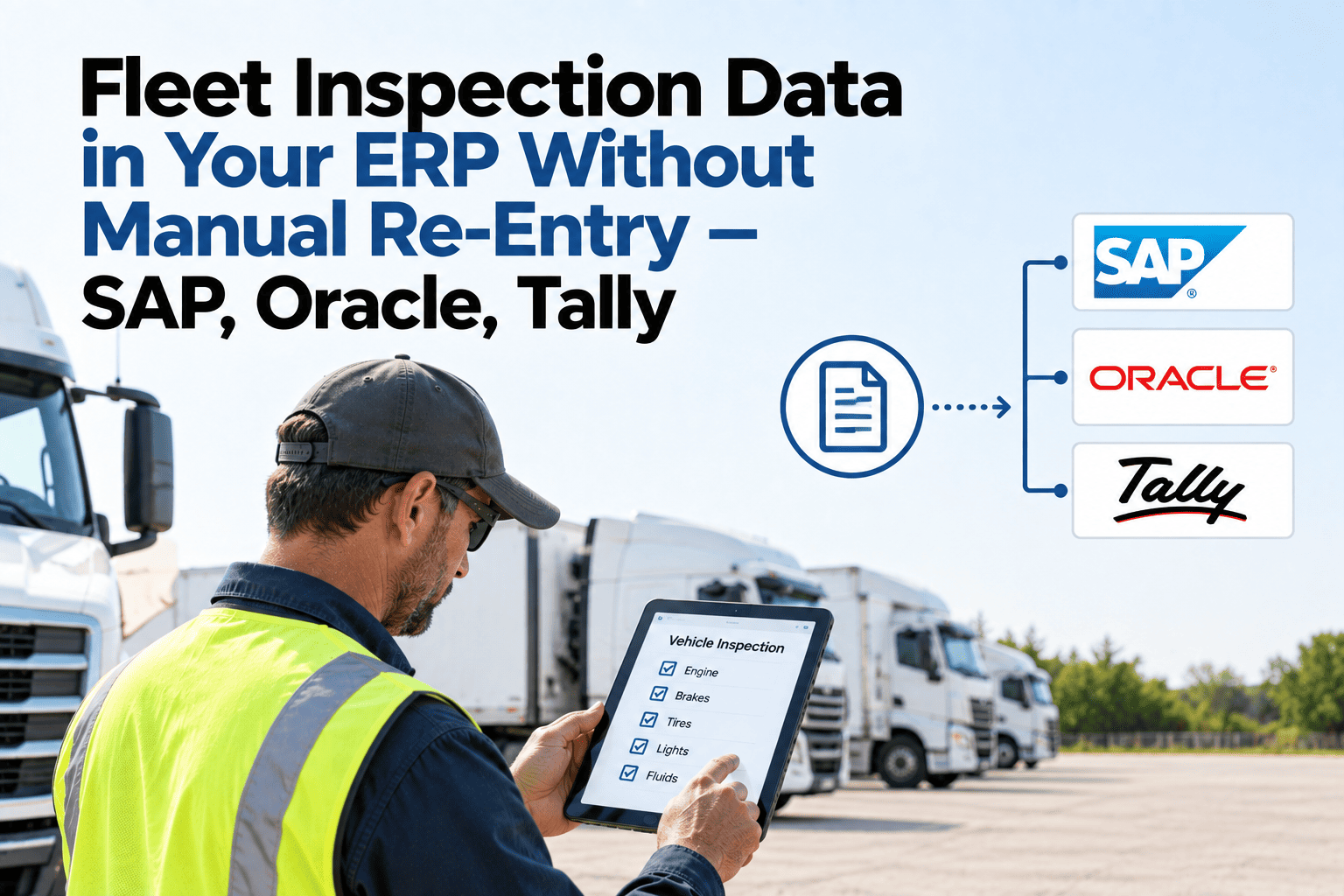
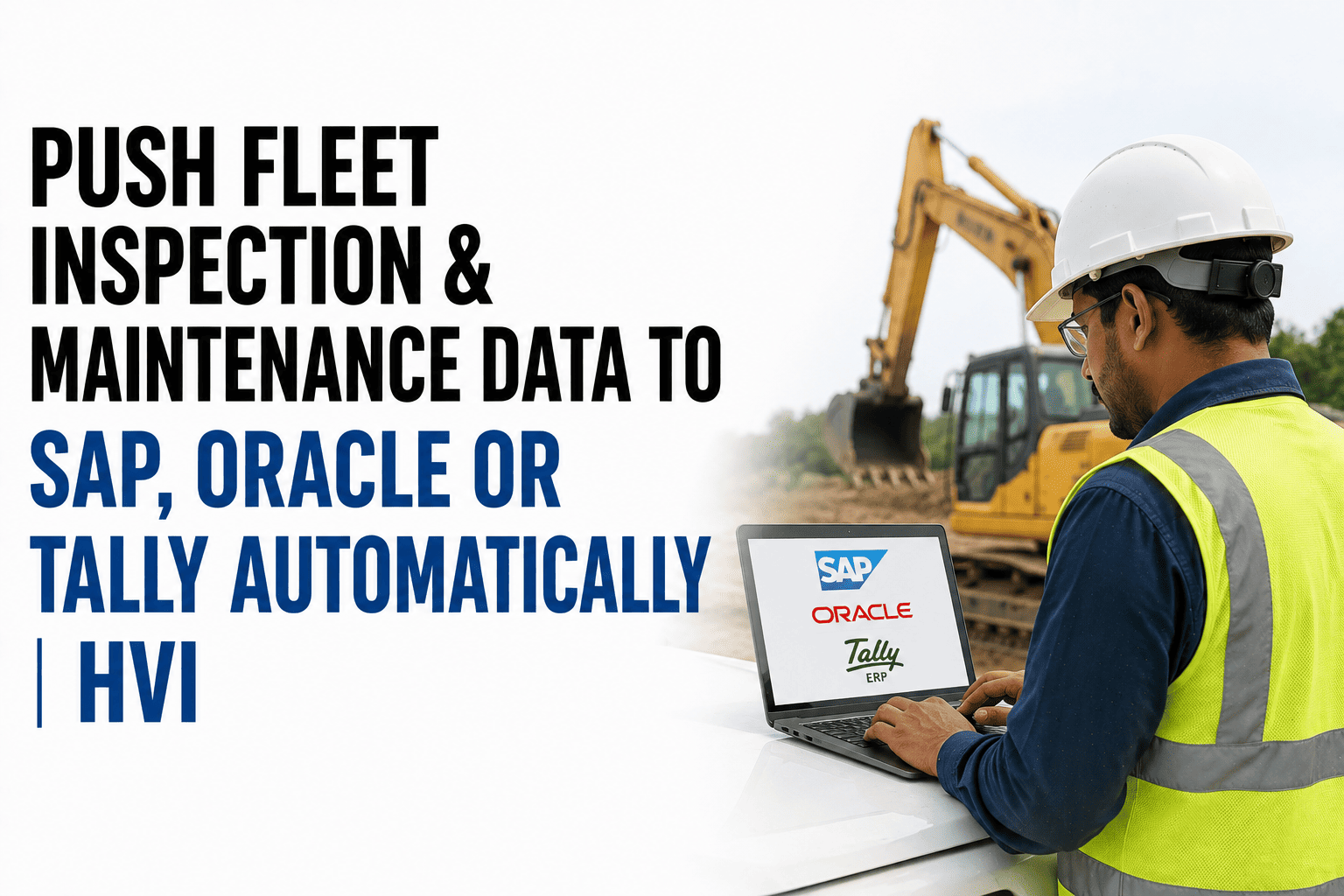
The maintenance team knows what a repair cost. The finance team knows what was paid. In most fleets those are two different numbers held in two different systems, reconciled once a month by someone comparing a spreadsheet against a ledger and investigating the gaps. It is not that either system is wrong. It is that maintenance cost is recorded against a machine and financial cost is recorded against a supplier invoice, and nothing automatically connects the two. Closing that gap is less about software features than about deciding which system owns which fact, and you can work that through for your own setup in a free 30-minute session.
Fleet Maintenance Data Should Not Live in a Silo
Maintenance costs, parts expenditure, and asset records connected to the business systems your finance team already works from, so nobody reconciles two versions of the same month.
What Flows, and Which Way
Integration works when each system owns what it is best placed to know. This is the split that usually makes sense.
What the Silo Costs Every Month
Re-keying
The same figures typed twice, which takes time and introduces differences that later have to be explained.
Cost attribution arguments
A repair billed to a site rather than a machine cannot be traced back later, so replacement decisions rest on incomplete history.
Month-end reconciliation
Someone comparing two systems and investigating gaps, every month, producing no new information in the process.
Delayed visibility
Maintenance spend only becomes visible to finance after the period closes, which is too late to act on within it.
Map It Against Your Own Systems First
Tell us what you run and we will set out what connects directly, what needs a scheduled export, and what is better left separate.
Three Depths of Integration
Deeper is not automatically better. Each level costs more to set up and maintain, and many fleets get most of the benefit at the first one.
Export and import
Scheduled files moved between systems. Simple, resilient, and adequate where finance works to a monthly cycle rather than needing live figures.
Trade-off: data is as current as the last export, and someone owns the routine.
Scheduled synchronisation
Automated transfer on a set interval, removing the manual step while keeping the systems loosely coupled.
Trade-off: needs agreement on which system wins when the same record differs.
Direct integration
Records flow as they are created, so maintenance spend is visible to finance within the period rather than after it.
Trade-off: the highest setup effort, and worth it mainly where in-period visibility genuinely changes decisions.
Frequently Asked Questions
Which systems does HVI connect with?
SAP, Oracle, and Tally are the ones most commonly used by Indian fleets running HVI. For anything else, the practical answer depends on what that system exposes, so it is worth confirming your specific setup on a call with our team rather than assuming either way.
Do we have to integrate before going live?
No, and it is usually better not to. Get inspections and work orders running first, then connect finance once the maintenance data is actually worth sending.
Which system should own the asset register?
Whichever one is updated most reliably in practice, which is usually maintenance for operational detail and finance for the capital record. Agreeing this before connecting anything prevents most integration problems.
What happens when the two systems disagree?
They will, occasionally. What matters is having decided in advance which one is authoritative for each field, rather than discovering the question during a month-end close.
Is a simple export really enough?
For many fleets, yes. If finance reports monthly and nobody needs mid-period figures, a scheduled export removes the re-keying without the cost of deeper integration. Start with a free trial to see what the data looks like first.
Decide What Each System Owns, Then Connect Them
Send maintenance cost, parts, and labour out to finance, bring supplier and cost centre references back in, leave inspection records and ledger entries where they belong, and choose the shallowest integration depth that actually answers your questions.