In an Indian opencast mine, production is only as good as the machines moving the material. When a shovel waits for a part or a dumper breaks down mid-shift, the whole chain slows. HEMM, short for heavy earth moving machinery, covers the dumpers, shovels, dozers, graders and drills that do this work. Keeping them available takes planned maintenance, statutory records and a disciplined workshop. This guide covers each and how mines and contractors run HEMM maintenance in HVI.
HEMM Maintenance Guide for Indian Coal and Metal Mines 2026
Plan preventive maintenance by hour meter, measure availability and utilisation correctly, keep DGMS-ready records and run a workshop that keeps production moving.
Availability and Utilisation, Measured Right
Every hour of a machine's month falls into one of four buckets. Availability and utilisation come straight from them. The split below is an example for one dumper.
Low availability points to maintenance. Low utilisation with good availability points to operations, such as shovel and dumper matching, roads or blasting delays. Definitions can differ between companies and contracts, so agree them in writing.
Planning Preventive Maintenance by Hour Meter
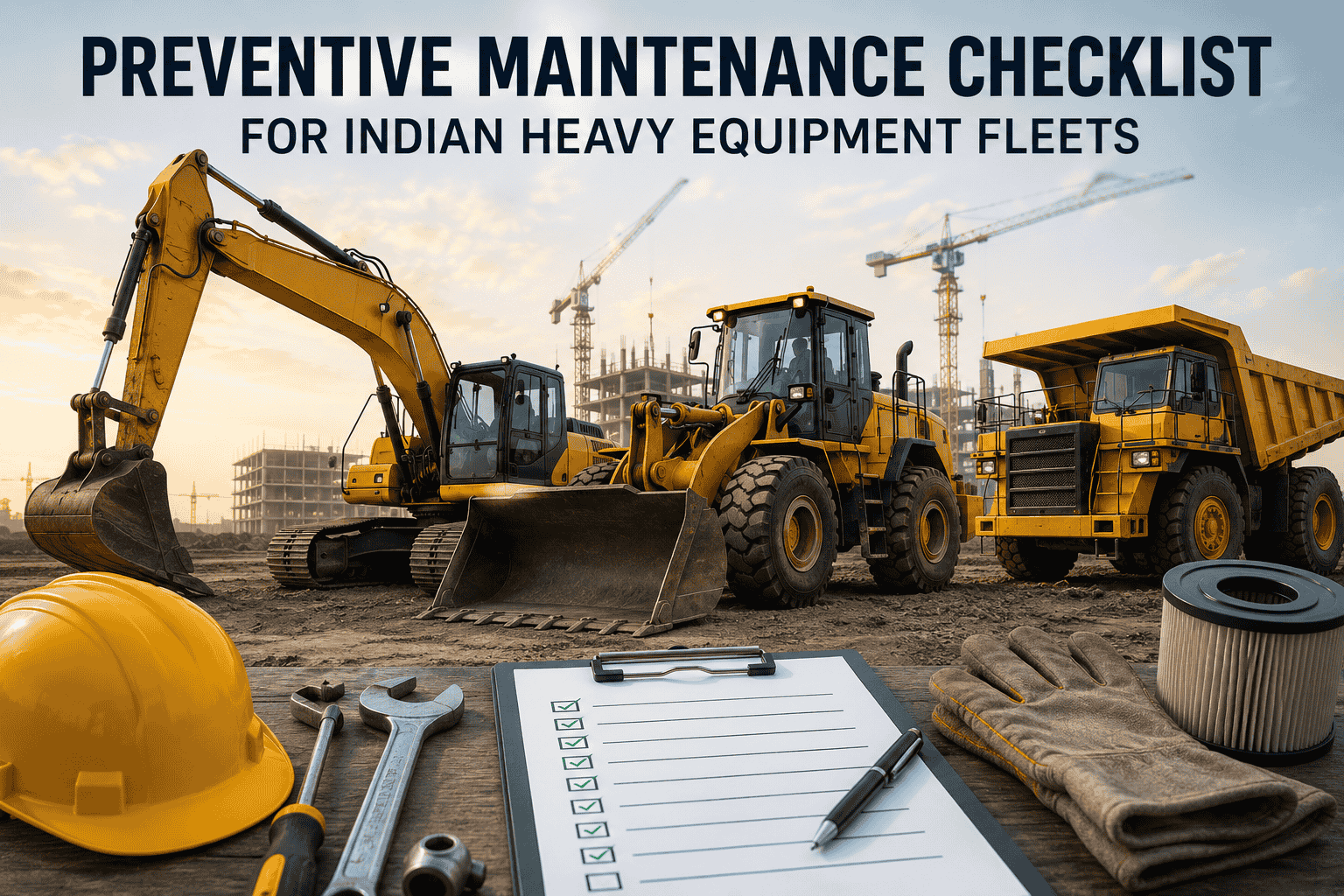
HEMM runs on hours, not calendar days. A good PM plan follows the service meter reading and fits around production.
Read meters daily
Record hour meter readings every shift so PM due dates are always accurate.
Follow the maker's intervals
Set PM levels from the OEM schedule and adjust for dust, heat and load.
Group the work
Combine PM with pending defects so the machine stops once, not three times.
Fit around production
Schedule PM with shift changes, blasting and planned shovel moves.
Kit parts in advance
Have filters, oils and parts ready before the machine reaches the bay.
Use oil analysis
Sample engines, transmissions and hydraulics to catch wear early.
Statutory Requirements and DGMS Records
Mines in India work under the Mines Act, 1952 and the coal and metalliferous mines regulations, with DGMS issuing circulars on HEMM safety. Records are what prove compliance during an inspection.
- Daily pre-start checks by operators
- Maintenance and repair history per machine
- Brake and steering tests where required
- Operator training and authorisation
- Accidents, near misses and actions taken
- Fire suppression systems on HEMM
- Proximity warning and reverse alarms
- Rear-view cameras and mirrors
- Seat belts and protective cab structures
- Speed limits on haul roads
DGMS circulars and regulations are updated from time to time. Check the latest requirements for your mine type and keep copies on file.
Keep Every HEMM Record Ready for Inspection
HVI records pre-start checks, hour meter readings, PM, defects, breakdowns and operator records for every machine, and shows availability and utilisation automatically.
Workshop Practices That Cut Downtime
The workshop decides how long a machine stays out of production once it stops. These habits make the biggest difference.
Component exchange
Swap engines, transmissions and final drives with rebuilt units instead of repairing them in the machine.
Lock-out before work
Isolate energy and block raised bodies and buckets before anyone works on a machine.
Dedicated tyre bay
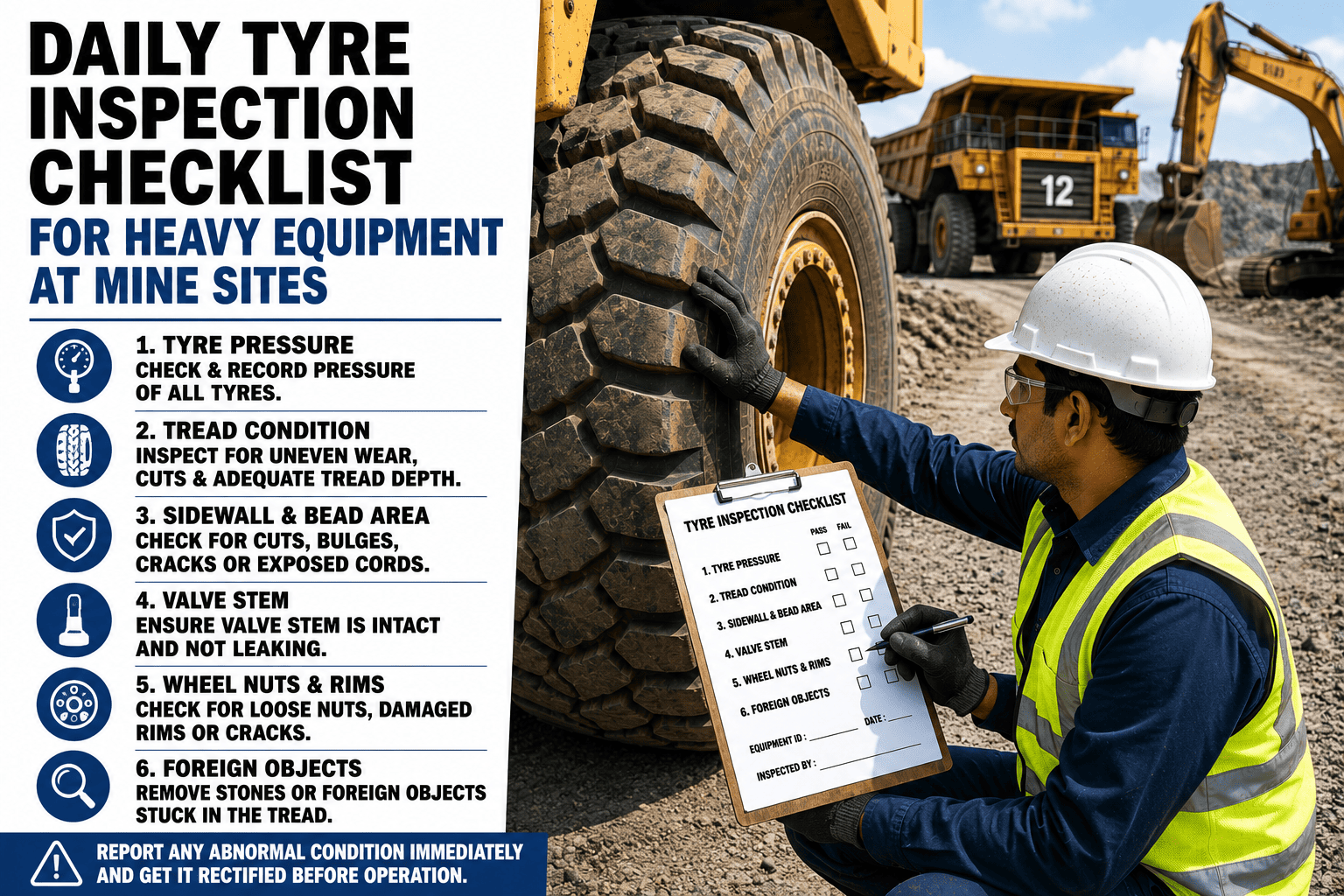
Handle large mining tyres with the right equipment and trained staff only.
Field service vans
Fix small faults at the face so machines do not travel to the workshop.
In-House Maintenance or Contracts
Many mines combine their own workshops with maintenance and repair contracts from OEMs or specialist contractors. Either way, the contract and the data decide the result.
- Full control of priorities and staff
- Needs skilled mechanics and a parts store
- Knowledge stays within the mine
- OEM skills and parts on hand
- Availability targets written into the contract
- Needs independent records to verify performance
HEMM KPIs to Review Every Month
Review these for each machine and each fleet type. Set targets from your own mine's history and contract terms.
A HEMM Fleet View in HVI
A sample monthly view for a mine. Hour meters, availability, defects and PM sit together for every machine.
| Machine | Hour meter | Availability | Open defects | Next PM | Status |
|---|---|---|---|---|---|
| DMP-12 | 18,420 h | 86% | 0 | In 140 h | Working |
| SHV-03 | 26,910 h | 78% | 2 | In 35 h | PM due soon |
| DZR-05 | 14,250 h | 64% | 3 | Overdue | Breakdown |
| DRL-02 | 9,880 h | 83% | 1 | In 210 h | Working |
HEMM Maintenance FAQs
What is the full form of HEMM?
HEMM stands for heavy earth moving machinery. In Indian mining it covers dumpers, shovels, excavators, dozers, graders, drills and similar machines used to remove overburden and mine coal or ore.
How is HEMM availability calculated?
A common method is to divide the hours a machine was not under maintenance by the total hours in the period. Utilisation is then working hours divided by available hours. Definitions vary between companies and contracts, so agree them in writing before measuring performance.
How often should HEMM have preventive maintenance?
PM intervals are set by service meter hours following the maker's schedule, and adjusted for dust, heat and load in your mine. Reading hour meters every shift keeps PM on time. Teams that record hour meters in HVI see every PM due date automatically.
What records do DGMS inspectors look for?
Typically daily pre-start checks, maintenance and repair history, brake and safety system tests, operator training and authorisation, and accident and near-miss records. Requirements depend on the mine type and current regulations and circulars, so keep up to date with DGMS guidance.
How can mining contractors prove HEMM performance?
Independent records of hour meters, breakdowns, PM and repairs for every machine show availability and utilisation clearly, which helps in contract reviews and disputes. Book a demo to see HEMM tracking in HVI.
Keep HEMM Available and Production on Target
Track hour meters, PM, defects, breakdowns and statutory records for every dumper, shovel, dozer and drill in HVI. Higher availability, faster repairs and records ready for any inspection.