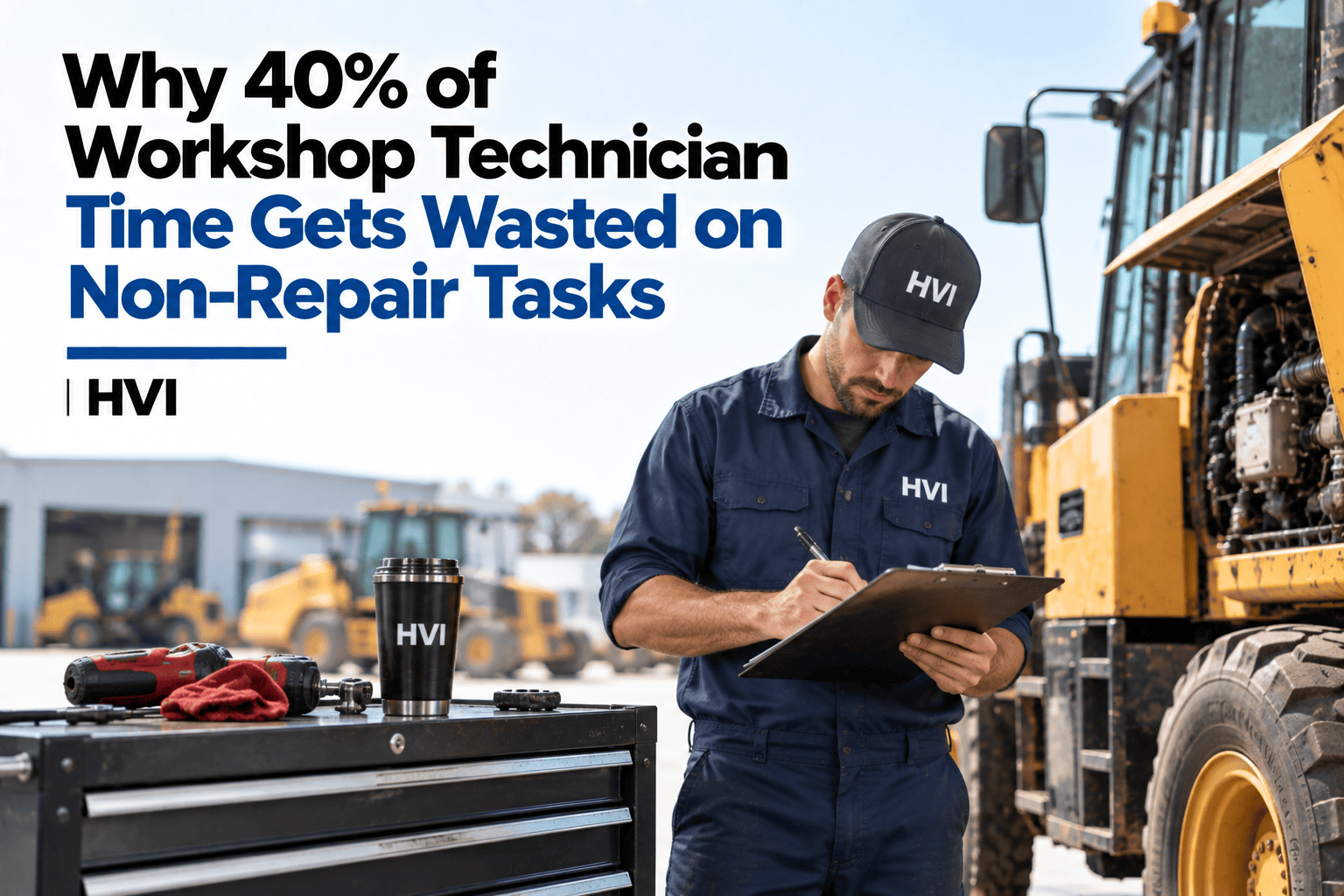
An excavator comes into the workshop with a hydraulic issue. One technician checks the pump on Monday and clears it as fine. A second technician, working a different shift, gets the same complaint on Wednesday and checks the hoses instead, because nobody told him the pump was already ruled out. A third technician picks it up the following week and starts from scratch again, because the paper trail from the first two visits is either missing or illegible. Three people have now worked on the same fault, none of them knowing what the others found, and the machine still isn't fixed. This isn't a skills problem — all three technicians did competent work. It's a visibility problem, and it's one of the most common ways maintenance time gets wasted on shared equipment. Here's why it happens, and how HVI logs every task against the person who did it so the next technician always knows what came before.
Three Technicians, One Machine, Nobody Knows What the Others Did
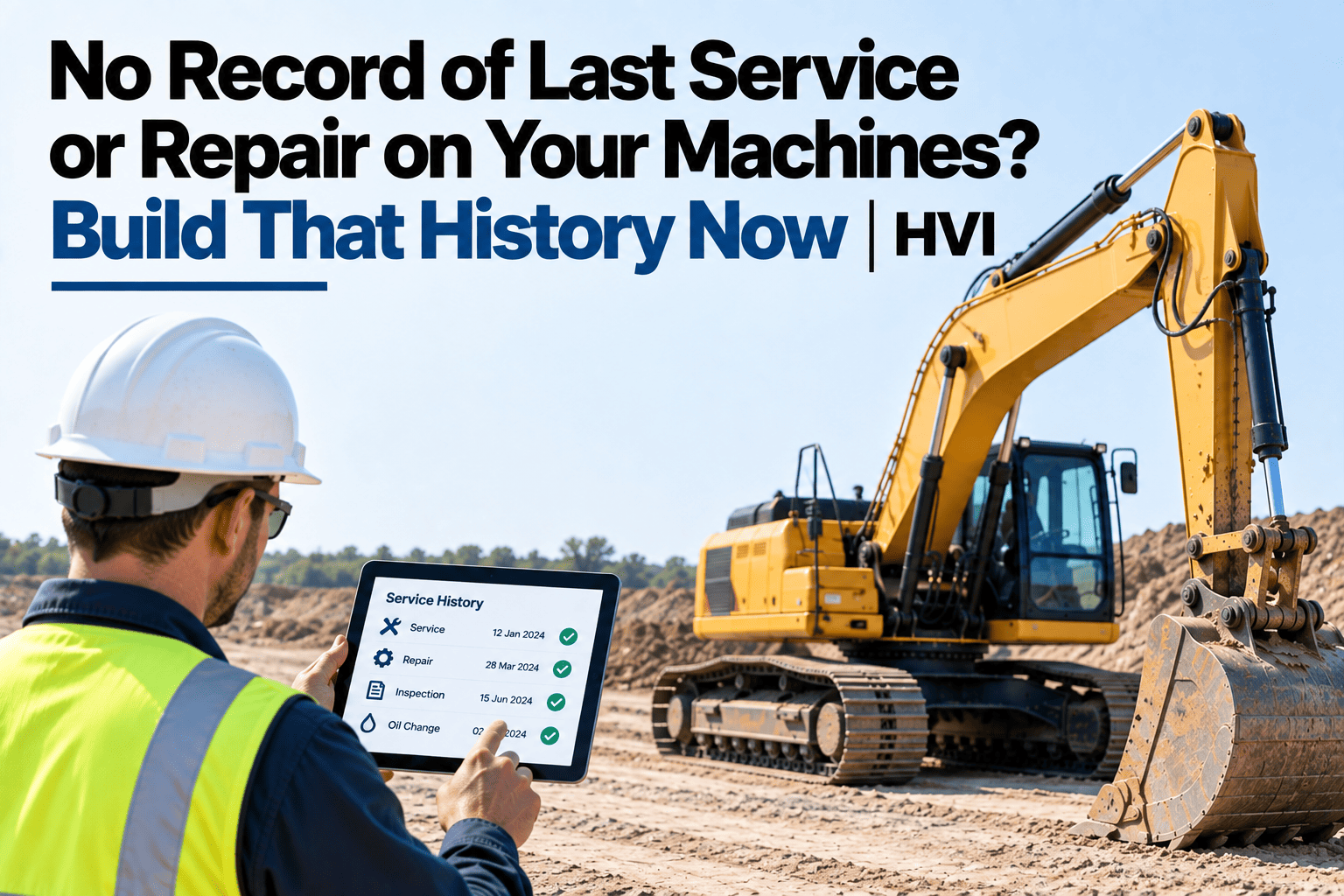
Every task, note, and part used on a machine logged against the person who did it — full service history visibility for every technician working on shared equipment.
What Gets Lost Between Technicians
What Was Already Ruled Out
The second technician re-checks a component the first already confirmed was fine, burning hours on a dead end nobody warned them about.
What Was Changed
A part swapped last week isn't visible to the technician diagnosing this week's fault, so a genuinely new symptom gets mistaken for the old problem persisting.
Who Actually Did the Work
Without a task tied to a name, there's no way to ask the person who touched it last what they noticed, or to hold anyone accountable for a rushed job.
The Pattern Across Visits
Three separate visits for what's actually the same underlying fault look like three unrelated repairs unless someone connects them, which requires the full history to even notice the connection.
See what a full, technician-attributed service history looks like on your own shared equipment.
Why This Happens Even With Good Technicians
Handoffs depend on memory, not a record
A verbal update at shift change is only as reliable as whoever remembers to give it and whoever remembers to ask — a written, attributed record doesn't depend on either.
Paper logs are illegible or incomplete by the third read
Handwritten notes accumulate on the same sheet until nobody can tell which entry belongs to which visit or which technician.
Shift patterns mean technicians rarely overlap
The person who could answer a question about what they checked is often off-shift by the time the next technician has the question.
Nobody owns the full picture
Each technician sees their own visit clearly; nobody has a reason to look at the machine's complete history unless something prompts them to go digging for it.
What Changes With a Shared, Attributed History
Step 1
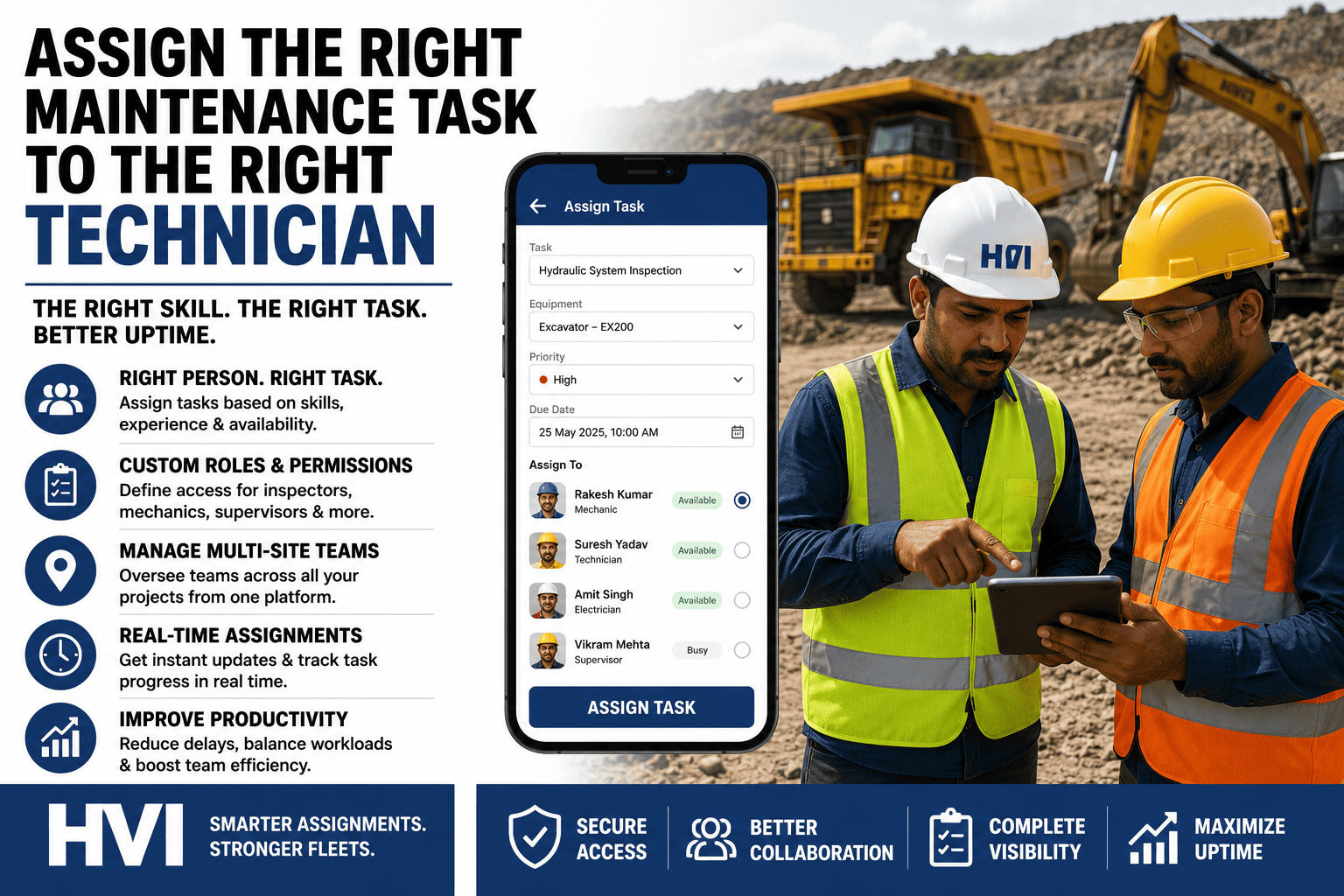
Every task is logged against the technician who did it
A completed check, a part replaced, or a fault ruled out is recorded with a name and a timestamp, not left as an unattributed note on a shared sheet. That name and timestamp turn a vague note into a traceable entry anyone can follow up on later.
Step 2
The next technician sees the full history before starting
Opening a work order on a machine shows what was checked, changed, and ruled out on every prior visit, so work doesn't start from zero each time. That visibility means the next technician can build directly on what's already known instead of repeating it.
Step 3
Recurring faults surface as a pattern automatically
Three visits for what's actually the same issue show up connected in the record, rather than looking like three unrelated repairs. Seeing that connection is often the first sign that a repair addressed a symptom rather than the actual cause.
Step 4
Accountability follows the actual work
A quality issue or a repeat failure can be traced to the specific visit and technician involved, supporting a fair conversation instead of a guess at who's responsible. That traceability protects competent technicians just as much as it surfaces genuine issues.
Frequently Asked Questions
Does logging tasks by technician feel like surveillance to the team?
Most technicians find it useful rather than intrusive, since it protects them too — a clear record shows exactly what they checked and confirmed, rather than leaving them exposed to blame for a problem that started before their visit.
How does this work when technicians are on different shifts and rarely overlap?
The history is available to whoever opens the work order next, regardless of shift, so a handoff no longer depends on the outgoing and incoming technician being present at the same time.
Can this work at remote sites with unreliable network coverage?
This works at remote sites with unreliable network coverage because task entries and notes are captured on the device first and sync once signal returns, so a remote site doesn't lose a technician's update to a dropped connection.
Does this integrate with our SAP, Oracle, or Tally maintenance records?
This does integrate with SAP, Oracle, or Tally maintenance records — logged tasks, parts, and labor can sync with these systems, so the attributed history feeds into the same cost and maintenance records your team already uses.
How quickly would this stop the repeated-diagnosis problem on our fleet?
Once technicians start logging tasks against the machine consistently, the next visit onward benefits immediately from seeing the full history; sign up free to start building that record for your shared equipment.
Give Every Technician the Full Picture
Three technicians on one machine shouldn't mean three separate investigations — it should mean three people building on each other's work. Start free and give every task a name and a history, or bring your current handoff process to a 30-minute session with our India team.