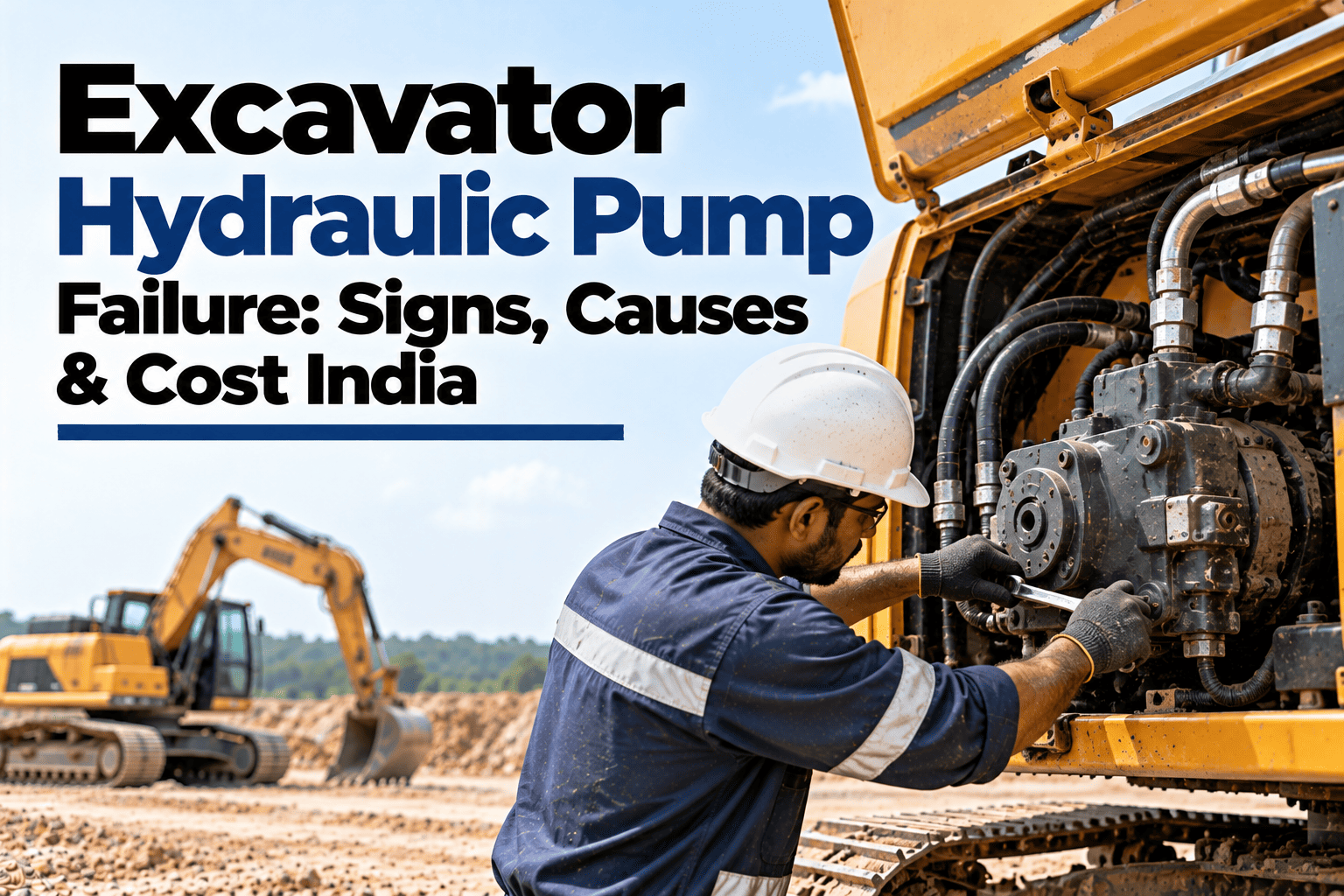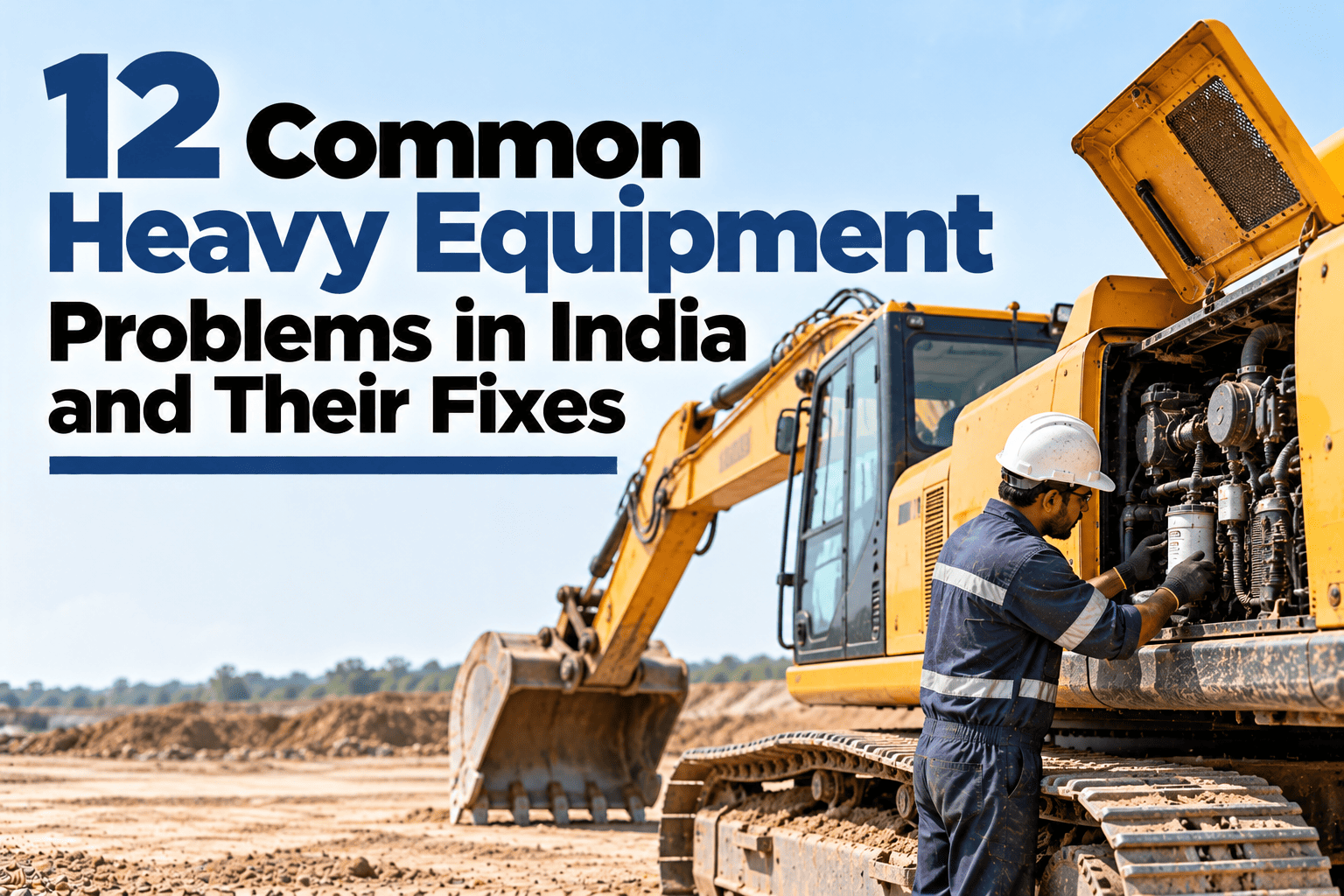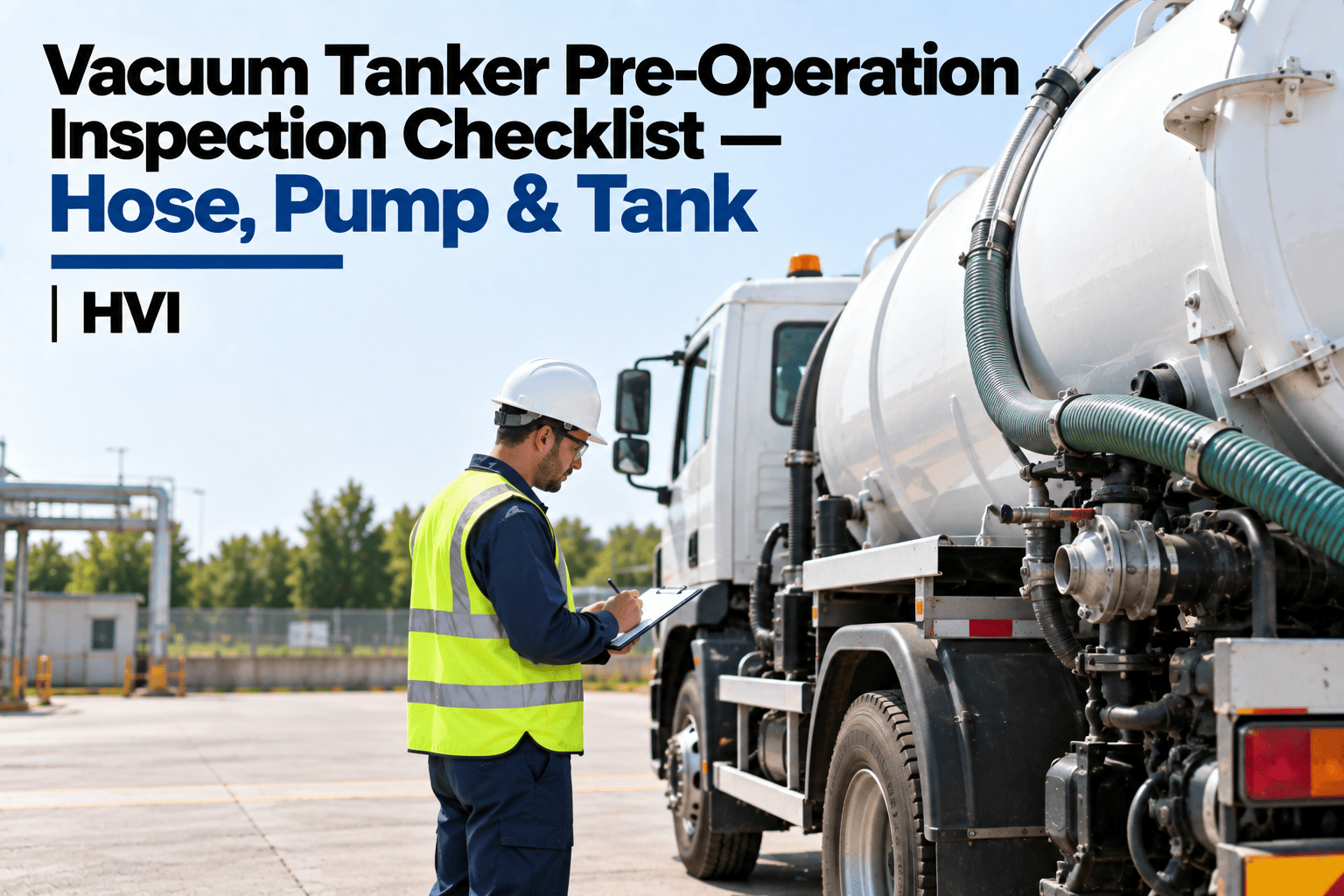
A hydraulic hose looks like the simplest part on an excavator, but when one bursts the machine stops instantly. Hot oil sprays across the work area, the ground is contaminated and the crew waits while someone fetches a replacement. On Indian sites, most hose failures come from a handful of causes: rubbing, poor routing, heat, wrong fittings and badly crimped ends. Nearly all of them can be prevented with better routing, regular checks and the right spares. This guide explains how, and how teams track hose replacements by machine in HVI.
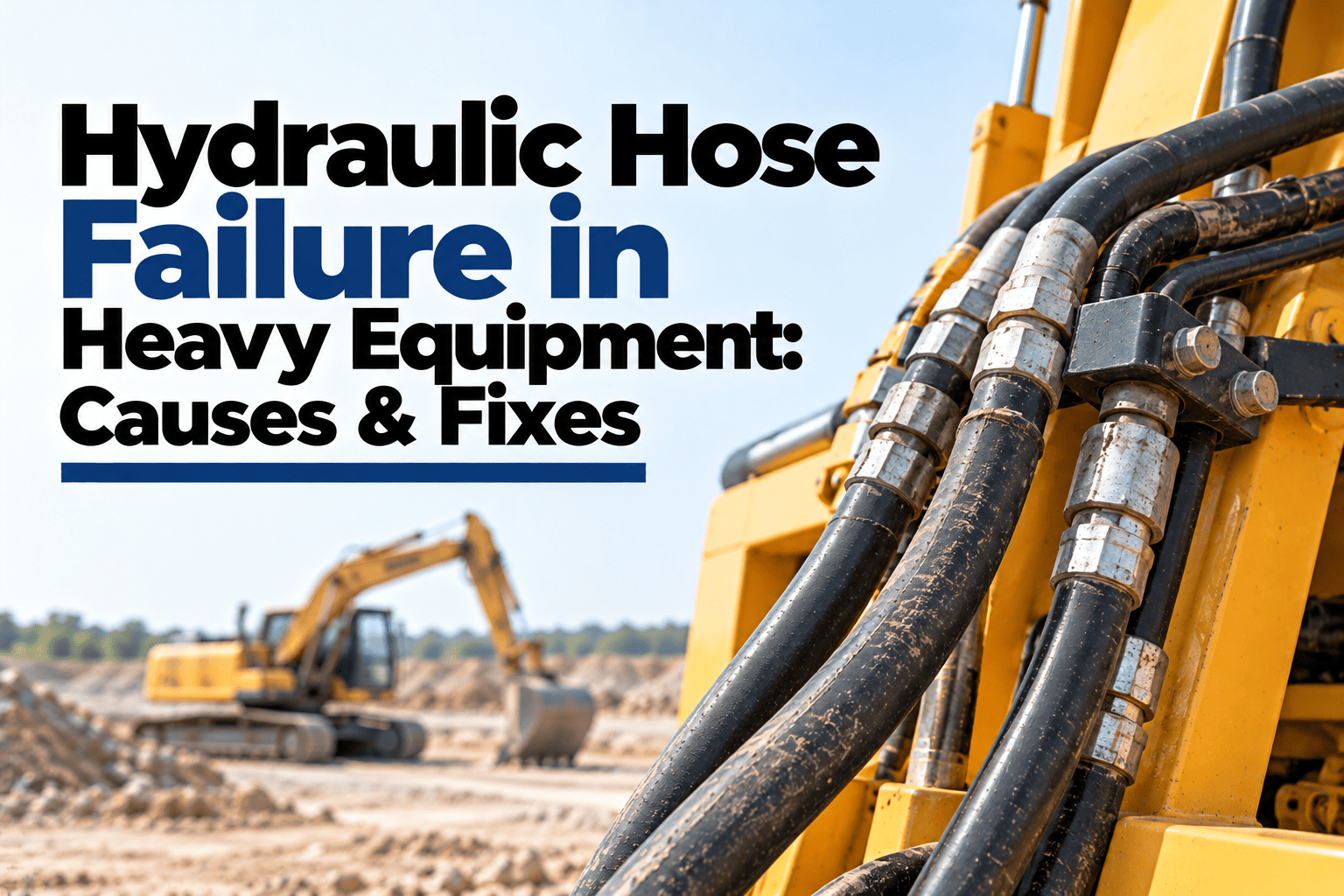
Hydraulic Hose Failure in Heavy Equipment: Causes and Fixes
Understand why hoses fail, inspect them the right way, replace them correctly and keep critical hoses in stock so a burst never stops work for long.
Six Common Causes of Hose Failure
When a hose fails, look for the cause before fitting a new one. Otherwise the replacement will fail the same way.
Abrasion
Hoses rubbing on each other or on the machine wear through the cover and reinforcement.
Fix: reroute, clamp and add protective sleevesPoor routing
Twisted hoses, tight bends or hoses too short for full machine movement.
Fix: correct length, no twist, proper bend radiusHeat
Running near the engine or exhaust, or with overheated oil, hardens and cracks hoses.
Fix: route away from heat, fit heat sleeves, cool the oilWrong fittings
Mixed brands or mismatched hose and fitting types do not seal or hold properly.
Fix: use fittings matched to the hose maker's systemPoor crimping
Under- or over-crimped ends leak or blow off under pressure.
Fix: crimp to specification with the right diesPressure spikes and age
Shock loads above the rating and old, weathered hoses fail suddenly.
Fix: use correctly rated hose, replace ageing hosesA Hidden Danger: Pinhole Leaks
A small leak under high pressure can be more dangerous than a burst.
A pinhole leak can inject hydraulic oil through the skin even when it looks like a fine mist. Never feel for a leak with your hand. Use a piece of cardboard or wood, wear gloves and eye protection, and release pressure before working on any hose. Any injection injury needs urgent medical attention, even if it looks minor.
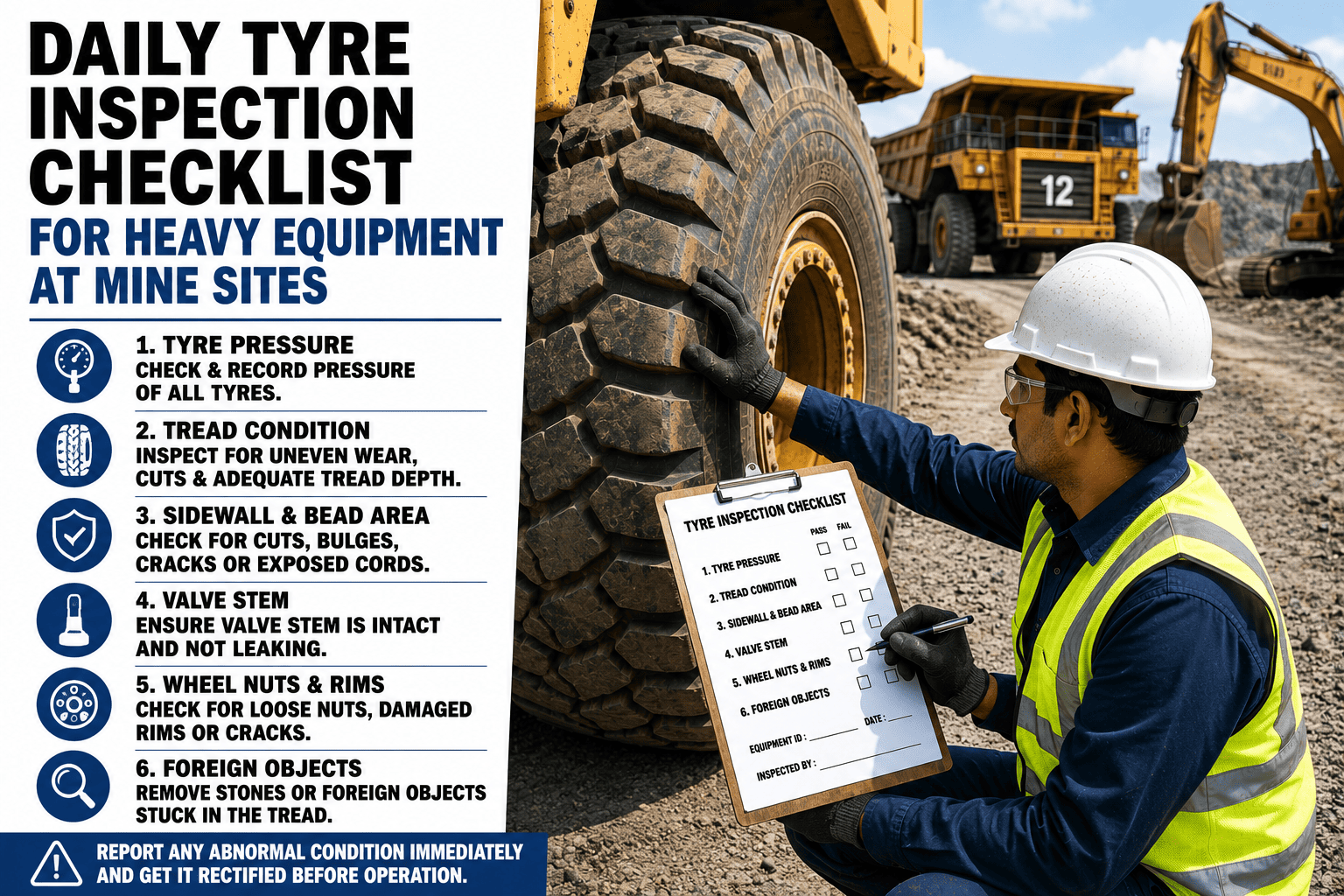
Hose Inspection Checklist
Include these checks in the daily walk-around and look closer at every service.
Know Which Hoses Keep Failing, and Why
HVI records every hose replacement against the machine and position, so repeat failures stand out and routing problems get fixed for good.
Replacing a Hose the Right Way
A rushed replacement is often the cause of the next failure. Follow these steps every time.
Make it safe
Lower attachments and release system pressure.
Match the spec
Same size, pressure rating and temperature rating.
Crimp correctly
Matched fittings and dies, crimped to specification.
Route and clamp
No twist, correct bends, clamps and sleeves fitted.
Test and record
Run through full movement, check for leaks, log it.
Keeping Critical Hoses in Stock
A burst hose that takes three days to replace costs far more than the hose itself. Stock the ones that fail most and stop the machine.
| Machine type | Hoses worth stocking | Why |
|---|---|---|
| Excavators | Boom, arm and bucket cylinder hoses | Constant movement and the highest wear |
| Wheel loaders | Lift and tilt cylinder hoses | Flex with every loading cycle |
| Backhoe loaders | Backhoe and stabiliser hoses | Exposed to rocks and rubbing |
| Cranes | Boom and outrigger hoses | Critical for safe lifting |
| Breaker-equipped machines | Breaker supply and return hoses | Pressure pulses and vibration |
Your own replacement records show which hoses fail most on your machines. Stock against that list, not just a general guide.
Hose Replacements by Machine in HVI
A sample 6-month view. The same hose position failing again and again usually means a routing or protection problem.
| Machine | Hose position | Replacements in 6 months | Likely cause | Action |
|---|---|---|---|---|
| EX-02 excavator | Bucket cylinder | 1 | Normal wear | No action |
| EX-06 excavator | Arm cylinder | 3 | Rubbing on boom | Reroute and sleeve |
| BHL-03 backhoe | Stabiliser, left | 4 | Rock damage and poor crimp | Review fitting and guard |
Hydraulic Hose Failure FAQs
What is the most common cause of hydraulic hose failure?
On most sites, abrasion from hoses rubbing on each other or on the machine is the leading cause, followed by poor routing, heat damage, wrong fittings and poor crimping. Finding the cause before replacing a hose stops the same failure happening again.
How often should hydraulic hoses be replaced?
Replace hoses when inspection shows damage, leaks or ageing, and follow any replacement interval the machine maker recommends. Hoses in heat, heavy movement or breaker work usually need replacing sooner than others.
Why are pinhole hydraulic leaks dangerous?
High-pressure oil from a pinhole can inject through the skin and cause serious injury, even when it looks like a harmless mist. Never check for leaks with your hand. Use cardboard or wood, and get urgent medical help for any injection injury.
Which hoses should I keep in stock?
Stock the hoses that fail most often and stop the machine, usually boom, arm and bucket hoses on excavators and lift hoses on loaders. Teams that track replacements in HVI can build a stock list from real data.
How can I stop the same hose failing repeatedly?
Record each replacement with the machine and hose position, look for repeats and check the routing, clamps, protection and crimp quality at that spot. Book a demo to see hose tracking in HVI.
Fewer Bursts, Safer Sites, Less Downtime
Inspect hoses daily, replace them the right way, stock the critical ones and track every replacement by machine and position in HVI.