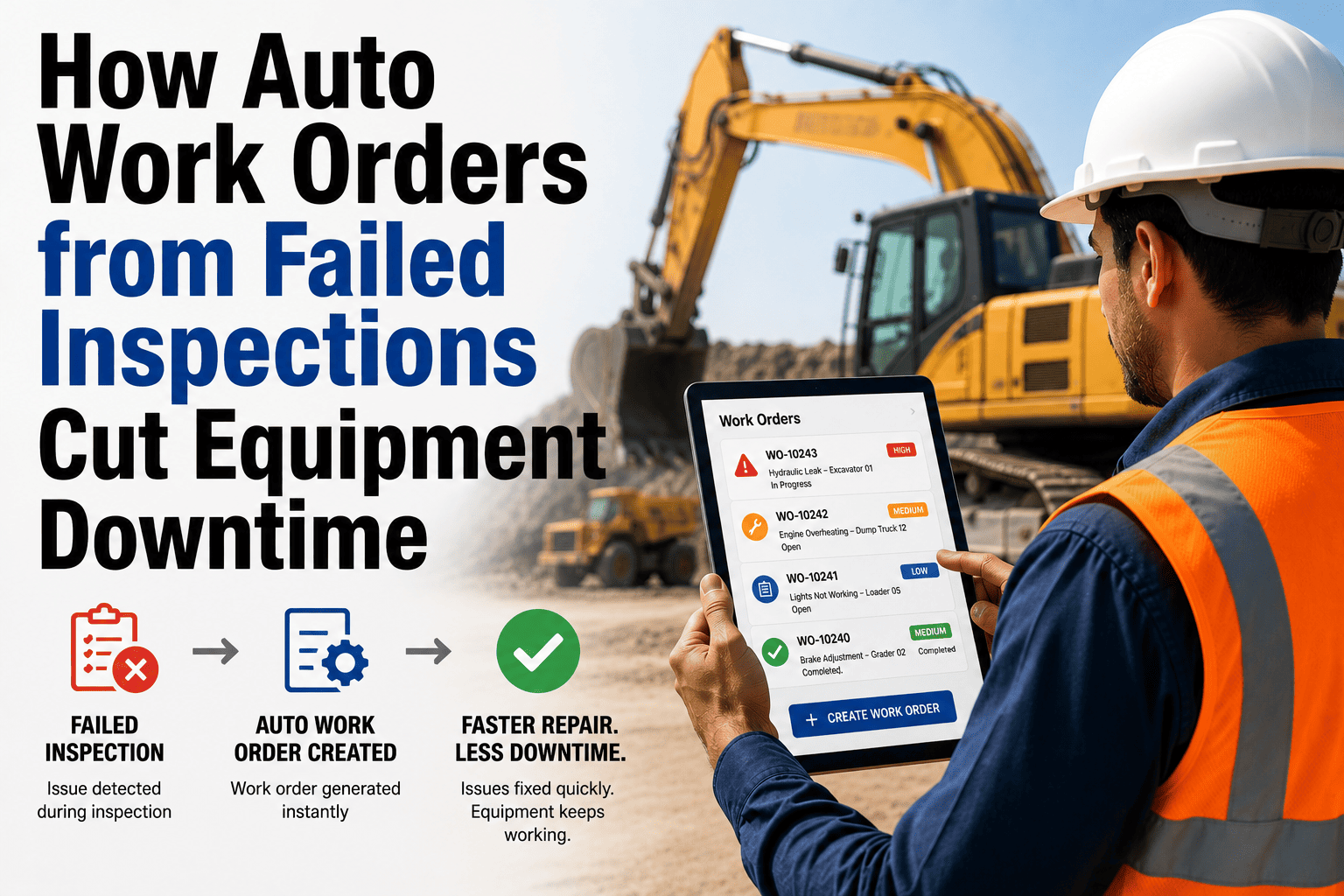
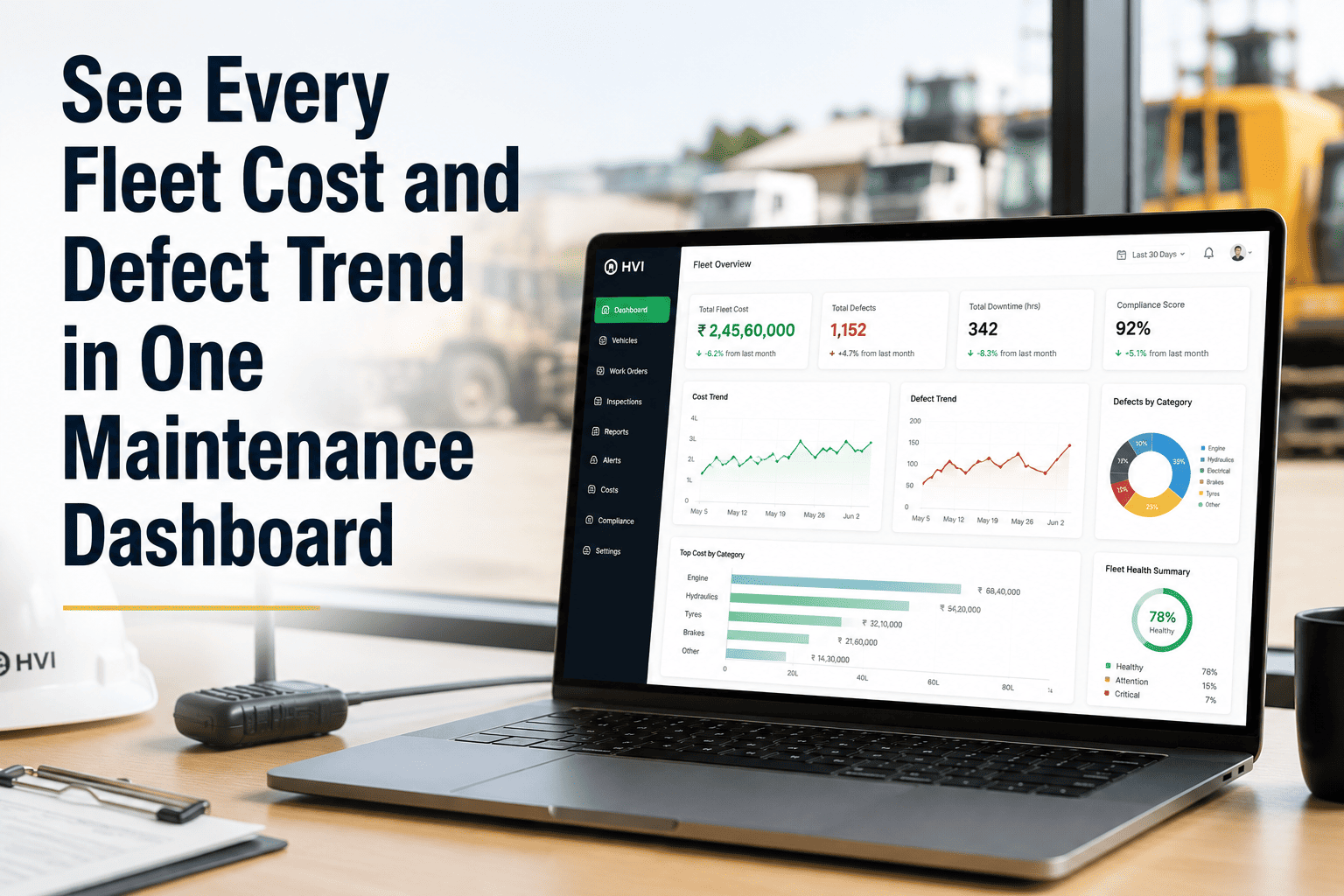
The defect itself is rarely the expensive part. What costs the fleet is the distance between the operator who spotted it and the person who could have acted on it. On most sites that distance is measured in hops — the operator tells the supervisor, the supervisor mentions it in a WhatsApp group, someone forwards it to the workshop, and the maintenance head sees it the next morning when the machine is already back in the field with the same fault. Each hop adds delay, and several of them lose the detail entirely. HVI removes the chain by sending the alert from the inspection straight to the person who owns the fix, and you can see the routing on your own fleet in a free 30-minute session.
Operator Flags a Problem — the Workshop Knows in Seconds
A failed inspection item sends a notification directly to the maintenance supervisor who owns that machine, with the photo and note attached. No phone calls, no WhatsApp chains, no waiting until morning.
Count the Hops Between the Fault and the Fix
Operator notices a hydraulic leak and mentions it to the shift supervisor.
Supervisor is mid-task and makes a mental note to raise it later.
It goes into a WhatsApp group where it sits among unrelated messages.
Someone forwards it on, with the machine number now missing from the message.
The workshop reads it the next morning and has to call back to confirm which machine.
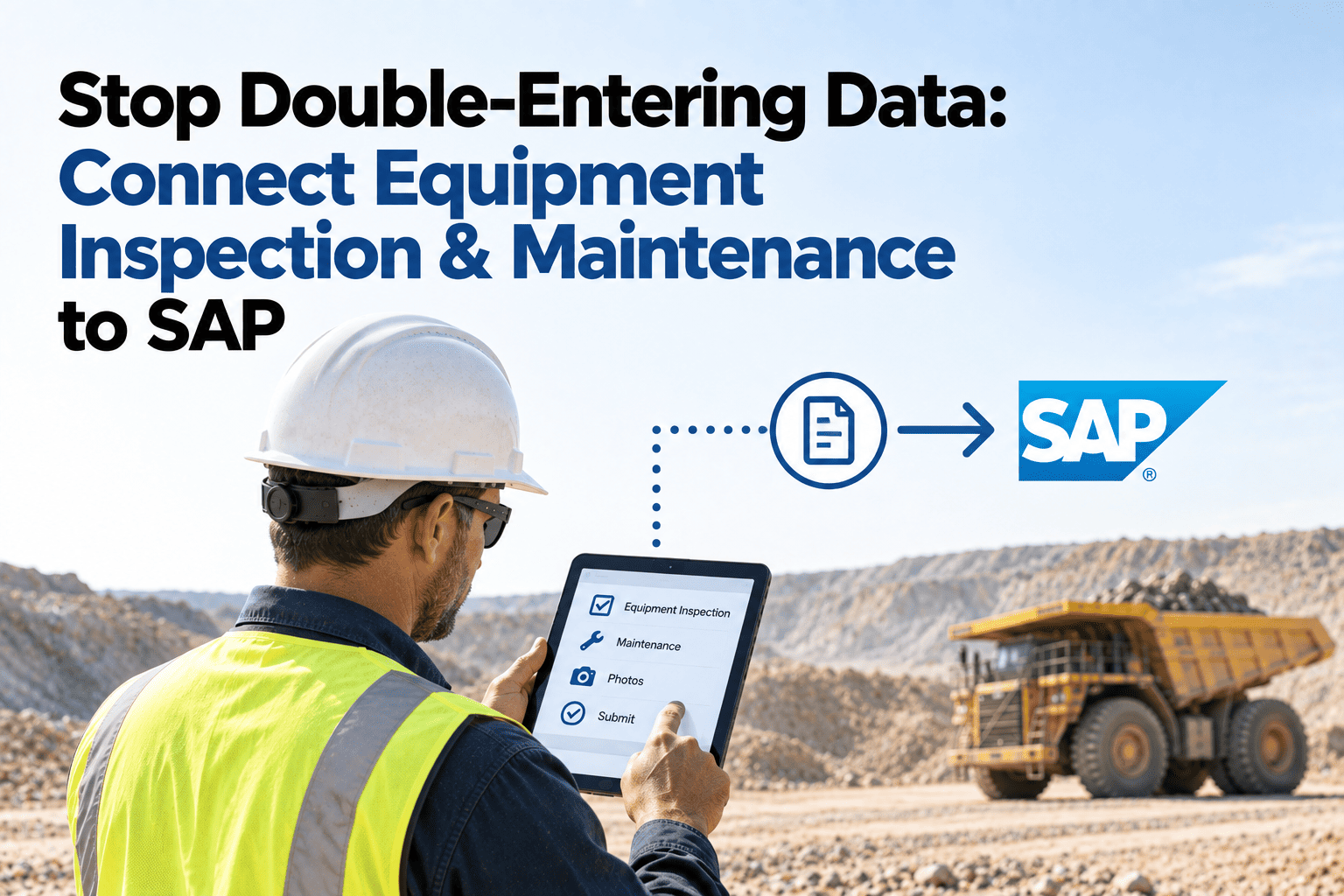
Operator marks the item failed, attaches a photo, and submits the inspection.
Who Gets Told, and How Fast
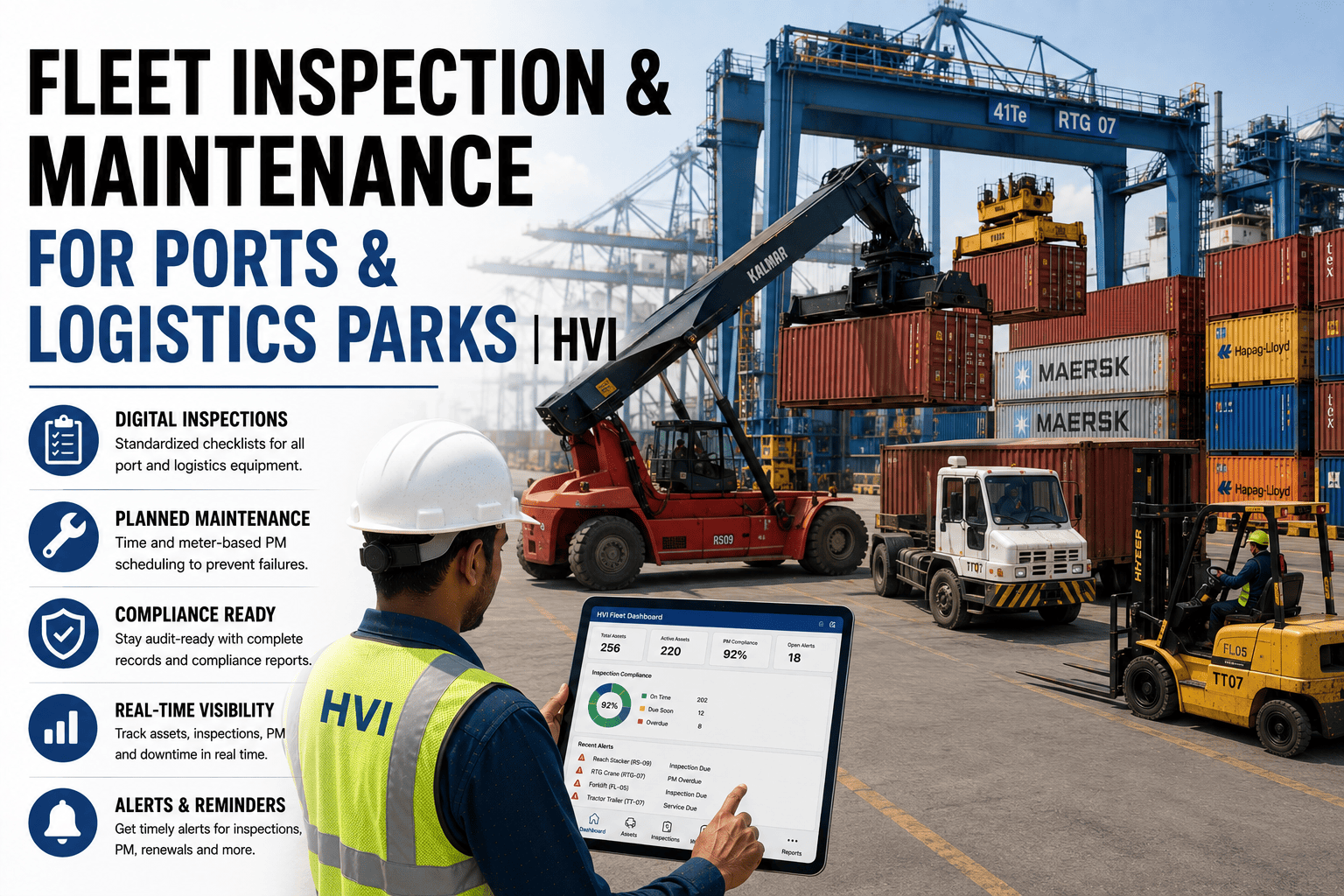
Not every defect needs the same response, so the alert routes according to what actually failed.
Maintenance supervisor and site engineer alerted immediately, with the machine held until the work order closes.
Work order raised and routed to the workshop queue, with the supervisor notified for scheduling.
Logged against the machine and batched into the next planned service rather than interrupting the shift.
A fault appearing repeatedly on the same machine escalates, because the pattern matters more than the individual report.
Close the Gap Between Spotting and Fixing
See how a failed inspection item reaches the right person in seconds, with the machine, photo, and note already attached.
What Travels With the Alert
The exact asset, never a description that could match three machines on the same site.
What the operator actually saw, so the workshop can judge severity before arriving.
The operator's own description, captured at the machine rather than recalled hours later.
When it was found and by whom, which becomes the audit trail without anyone writing it up.
Frequently Asked Questions
What happens if the site has no signal when the defect is found?
The inspection and the defect record complete offline, and the alert sends automatically the moment the device reaches coverage, so nothing is lost at remote mine and highway sites. You can test this on a demo call.
Can we control who receives alerts for which machines?
Yes. Alerts route by machine, site, and defect severity, so a supervisor is not flooded with notifications for equipment outside their responsibility.
Won't instant alerts create notification fatigue?
That is why severity routing exists. Minor items are logged for the next service rather than pushed, so an alert arriving means something genuinely needs attention.
Does the operator need to do anything beyond the inspection?
No. Marking the item failed is the whole action, and the work order, notification, and record all follow from that single step.
How quickly can we set up alert routing for our sites?
Most fleets have routing configured within hours of setup, since it follows the site and supervisor structure you already have. Start with a free trial to set it up.
Stop Losing Defects in the Relay
Send every flagged fault straight from the operator's inspection to the person who owns the fix, with the machine, photo, note, and timestamp already attached, so nothing depends on someone remembering to pass it along.