Mechanical failures almost never happen instantly. A bearing that seizes on a Thursday started degrading weeks earlier, passing through stages where it was detectable but not yet audible, and then audible but not yet visible. The gap between the first detectable sign and the actual failure is the only window you have to act in, and most fleets only start looking during the last few days of it, when the operator reports a noise. Sensor data matters because it moves detection earlier in that sequence, turning an unplanned stoppage into a scheduled repair. You can see which data sources are worth connecting for your equipment in a free 30-minute session.
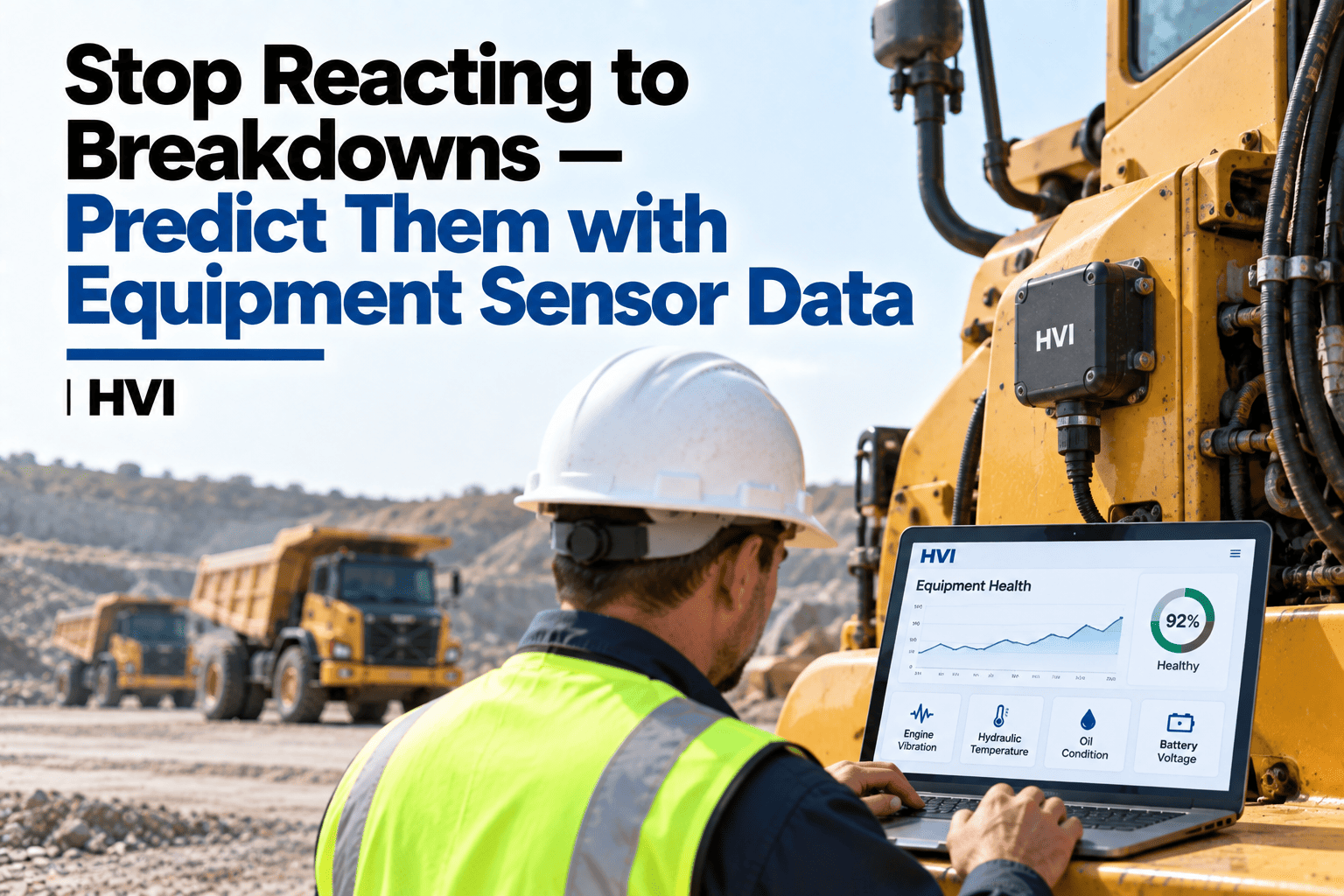
Stop Reacting to Breakdowns — Predict Them From Sensor Data
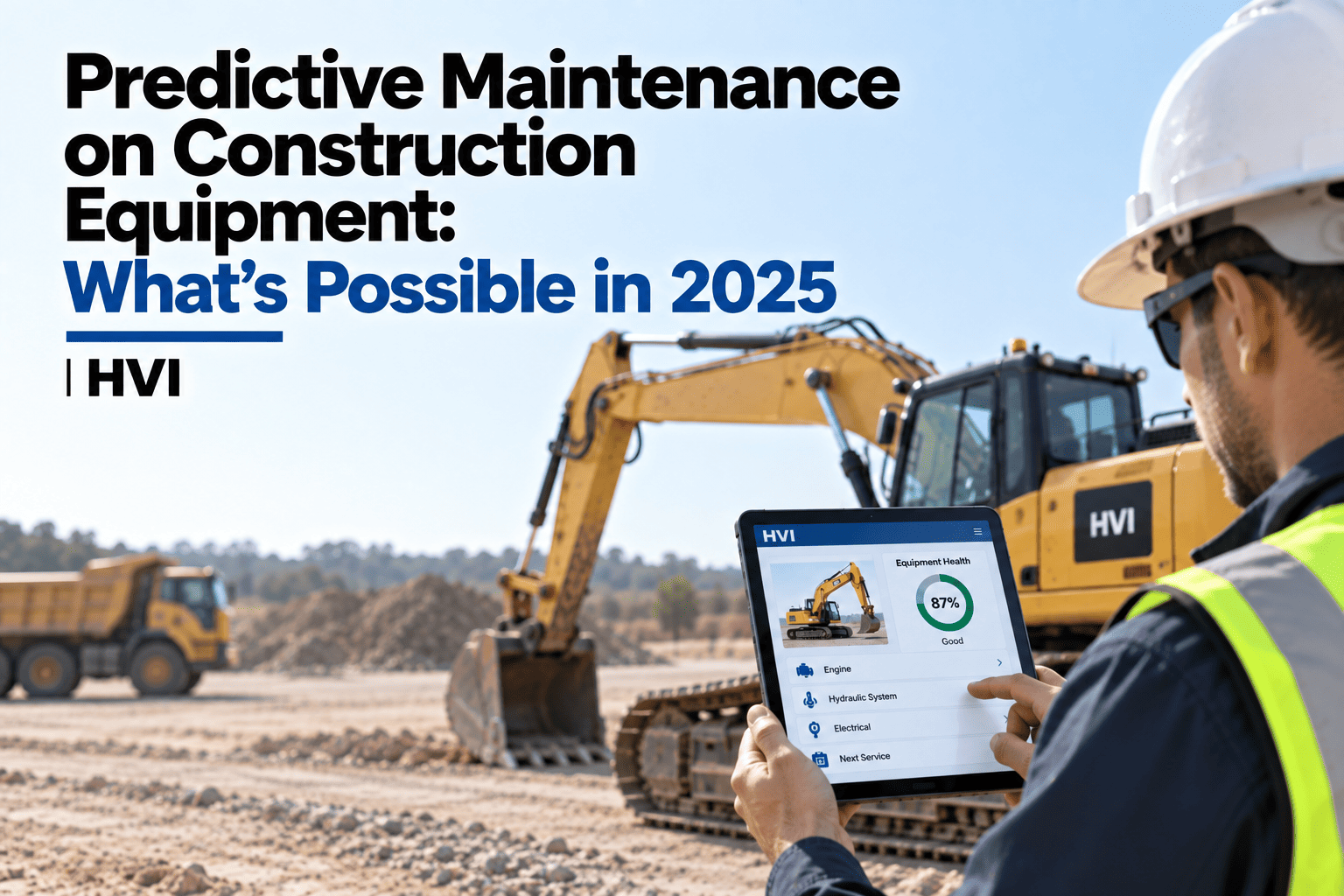
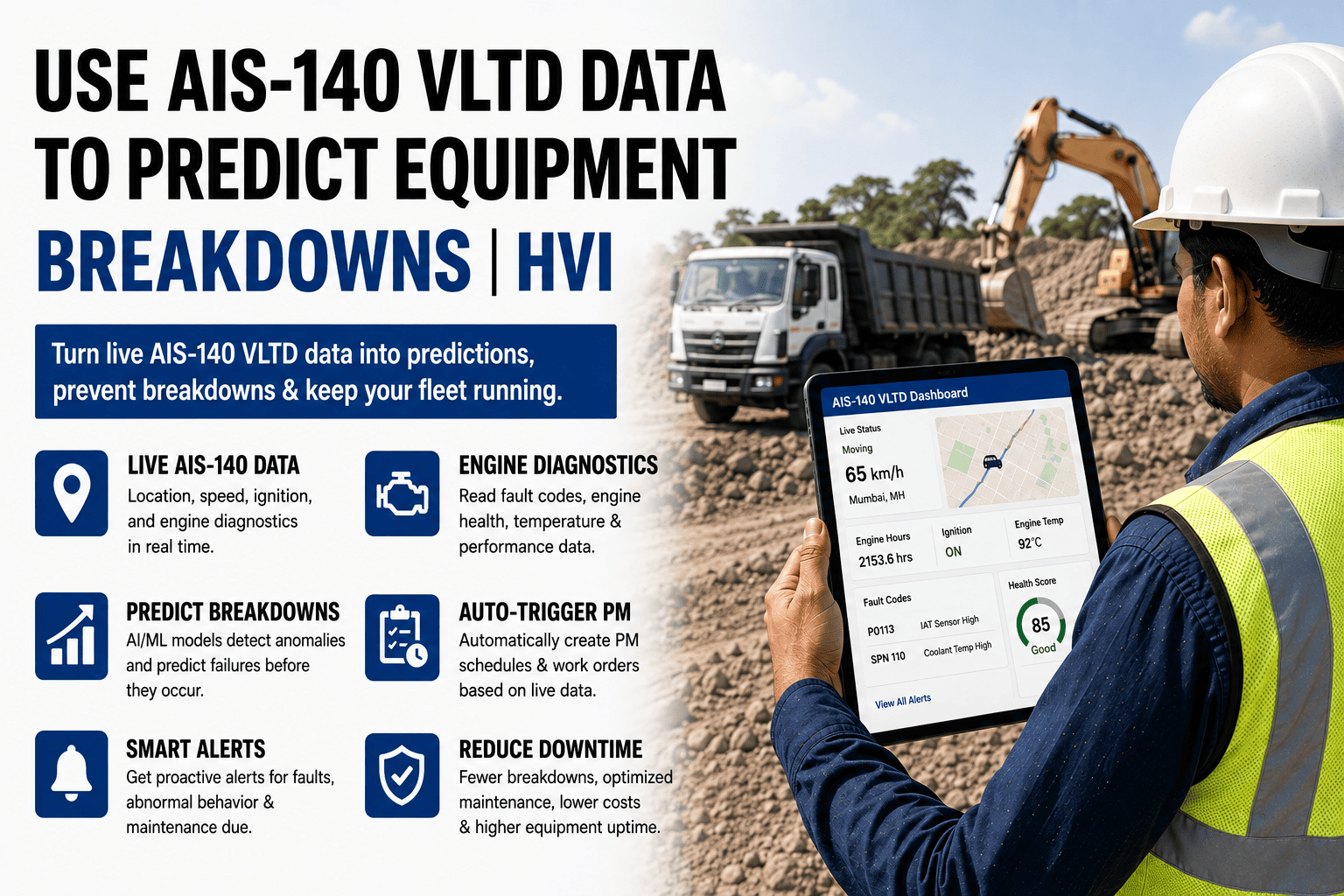
Vibration readings, oil analysis results, and engine telemetry feed into the same maintenance system as your inspections, so a developing fault raises a work order before it becomes a stoppage.
How a Failure Actually Develops
A fault passes through detectable stages before it stops the machine. What determines your options is how early in this sequence you find it.
Vibration signature changes
Bearing and alignment problems alter vibration patterns well before anything is perceptible to a person.
Wear particles appear in oil
Oil analysis shows metal content rising, indicating which component is wearing and roughly how fast.
Temperature and pressure drift
Telemetry shows operating parameters moving outside their normal band under comparable load.
Audible and perceptible symptoms
The operator hears or feels something. This is where most fleets currently begin, and the window is now short.
Visible damage or derate
Performance drops or the machine protects itself. At this point the repair is no longer schedulable.
Every stage earlier means more choice about when and where the repair happens.
What Each Data Source Actually Tells You
Strongest on rotating equipment. Detects bearing wear, misalignment, and imbalance earliest, but needs a baseline to compare against.
Identifies which component is wearing from the metals present, and catches contamination before it causes damage.
Continuous, already available on most modern machines, and good at flagging parameters drifting outside normal range.
Still essential. Sensors miss physical damage, leaks, and anything outside the systems they monitor.
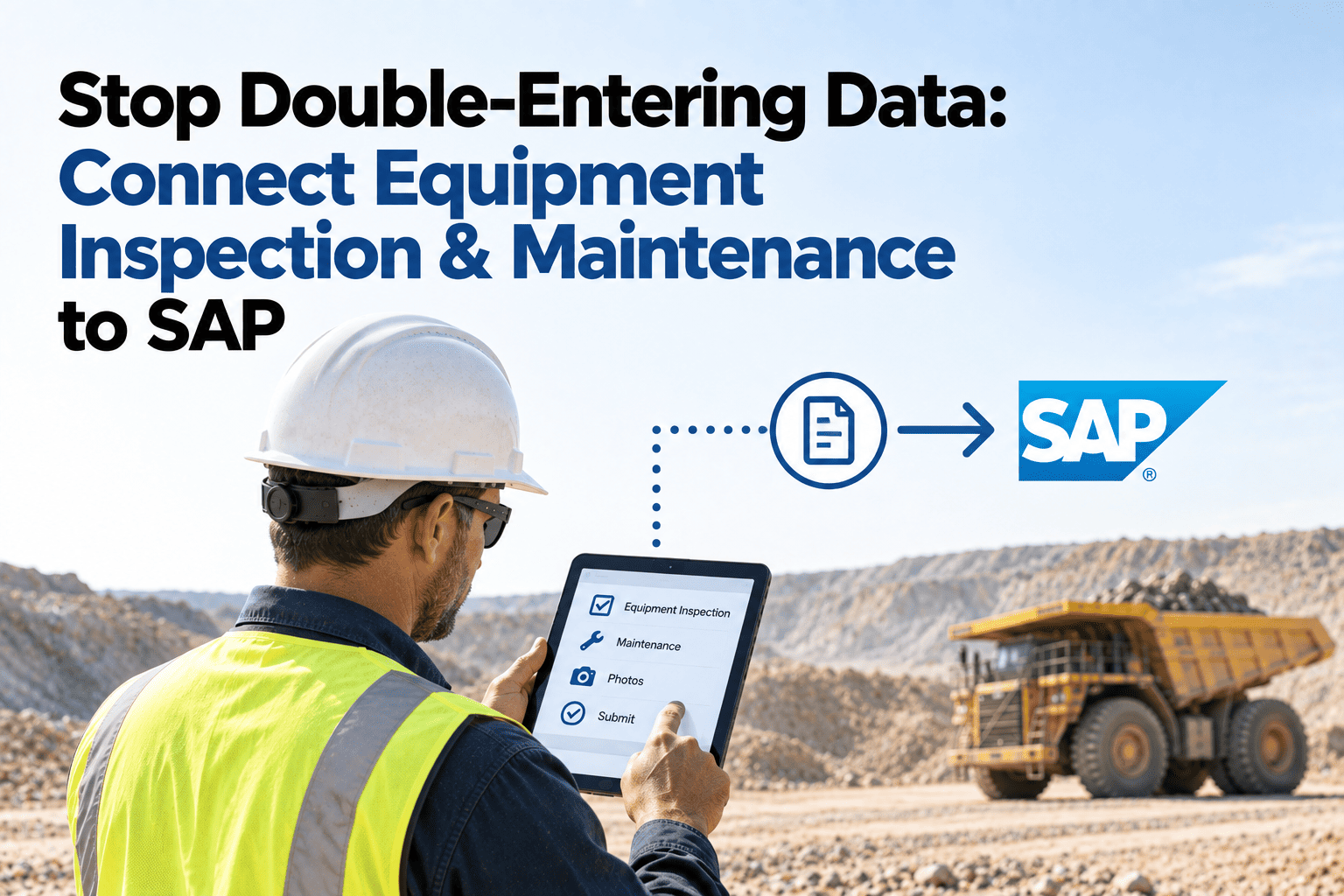
Bring Sensor Data Into the Same System as Your Inspections
See how a threshold breach raises a work order alongside the inspections and PM schedules already running.
Where Predictive Makes Sense, and Where It Does Not
Worth the Investment
High-value machines where a failure stops production rather than one task.
Equipment with rotating components and a reasonably steady duty cycle to baseline against.
Assets where the repair itself is far cheaper than the downtime it prevents.
Harder to Justify
Low-cost equipment with readily available replacements and minimal downtime impact.
Machines with highly variable duty cycles, where establishing a normal baseline is difficult.
Fleets where basic inspection and PM discipline is not yet in place, since that delivers more first.
Predictive works best layered onto a functioning PM process, not as a substitute for one.
Frequently Asked Questions
Do we need to replace equipment to use sensor data?
Usually not. Many machines already produce telemetry, and vibration or oil sampling can be introduced on existing assets without replacing them. You can review what your fleet already provides on a call with our team.
How long before predictions become reliable?
Threshold-based alerts work quickly, but trend-based prediction needs enough history to establish what normal looks like for each machine, which takes time and consistent readings.
Will this eliminate unplanned breakdowns entirely?
No. Some failures are sudden or caused by external damage, and no data source catches everything. The realistic goal is shifting a meaningful share of failures from unplanned to scheduled.
Does an alert go straight to the workshop?
Yes. A threshold breach can raise a work order and notify the responsible supervisor, following the same routing as a failed inspection item.
Where should a fleet start with this?
With the small number of machines whose failure costs the most, rather than fleet-wide. Start with a free trial and connect data on those assets first.
Move Detection Earlier in the Failure Sequence
Bring vibration, oil analysis, and telemetry into the same system as your inspections and PM schedules, so a developing fault is caught while you still have a choice about when to fix it.