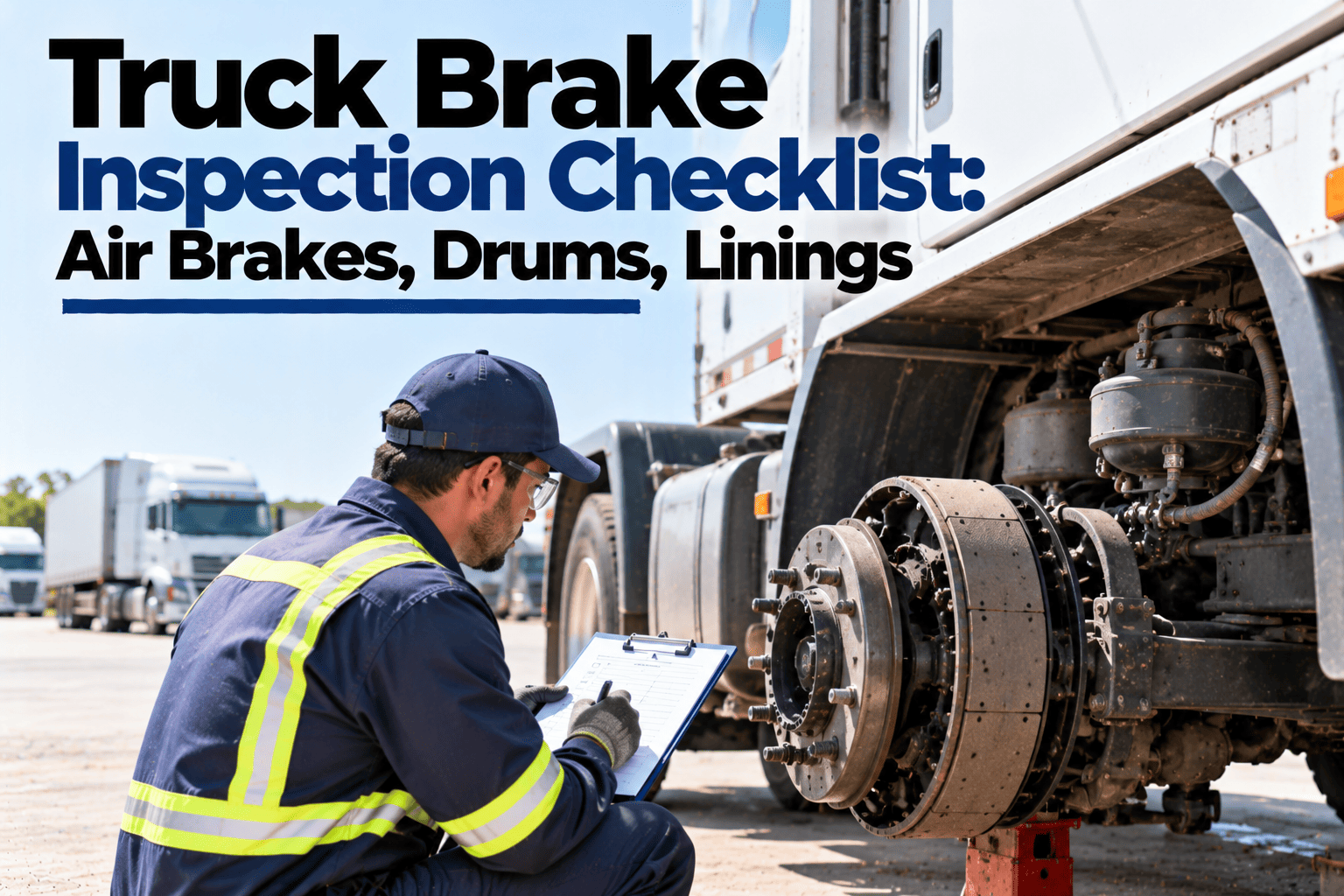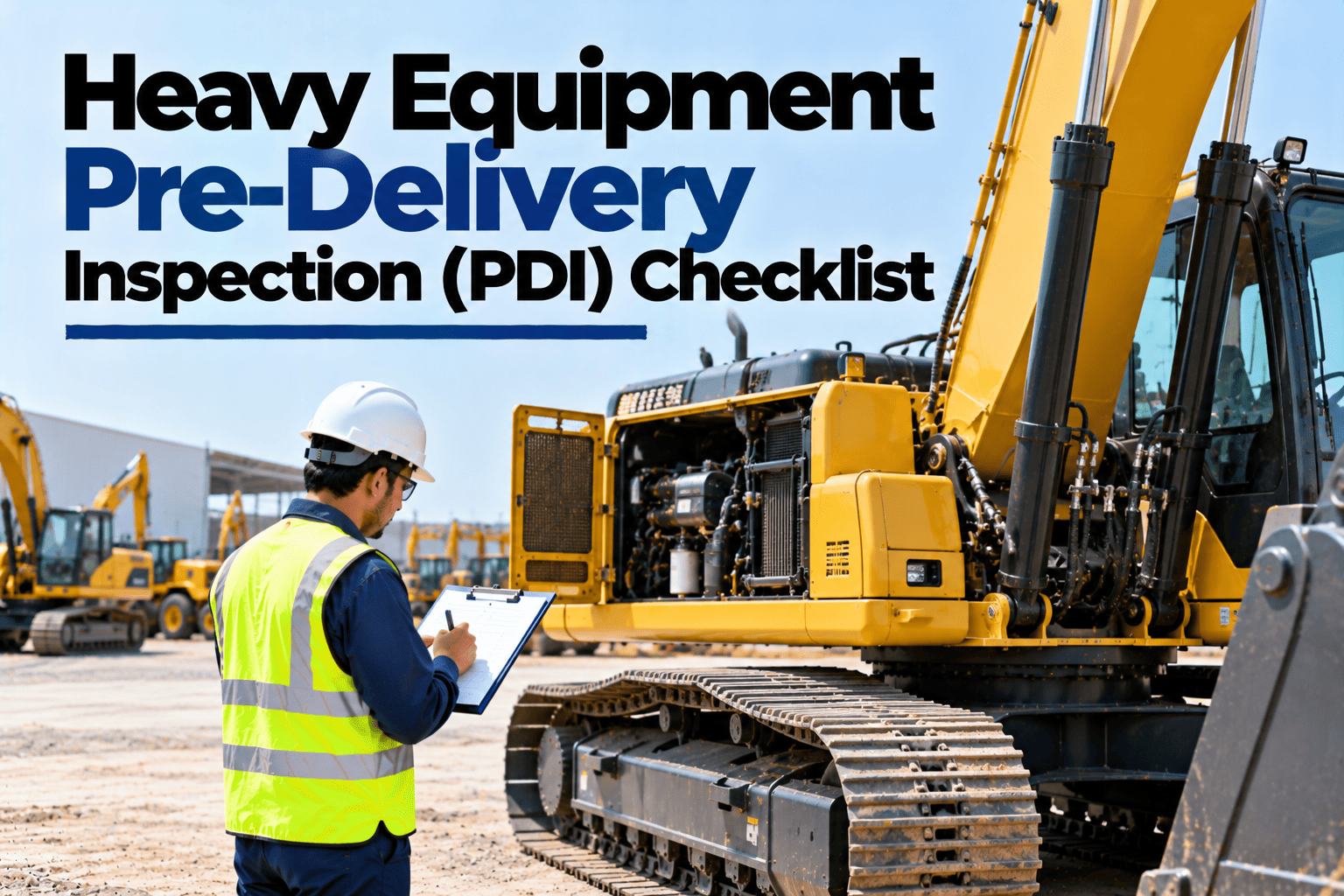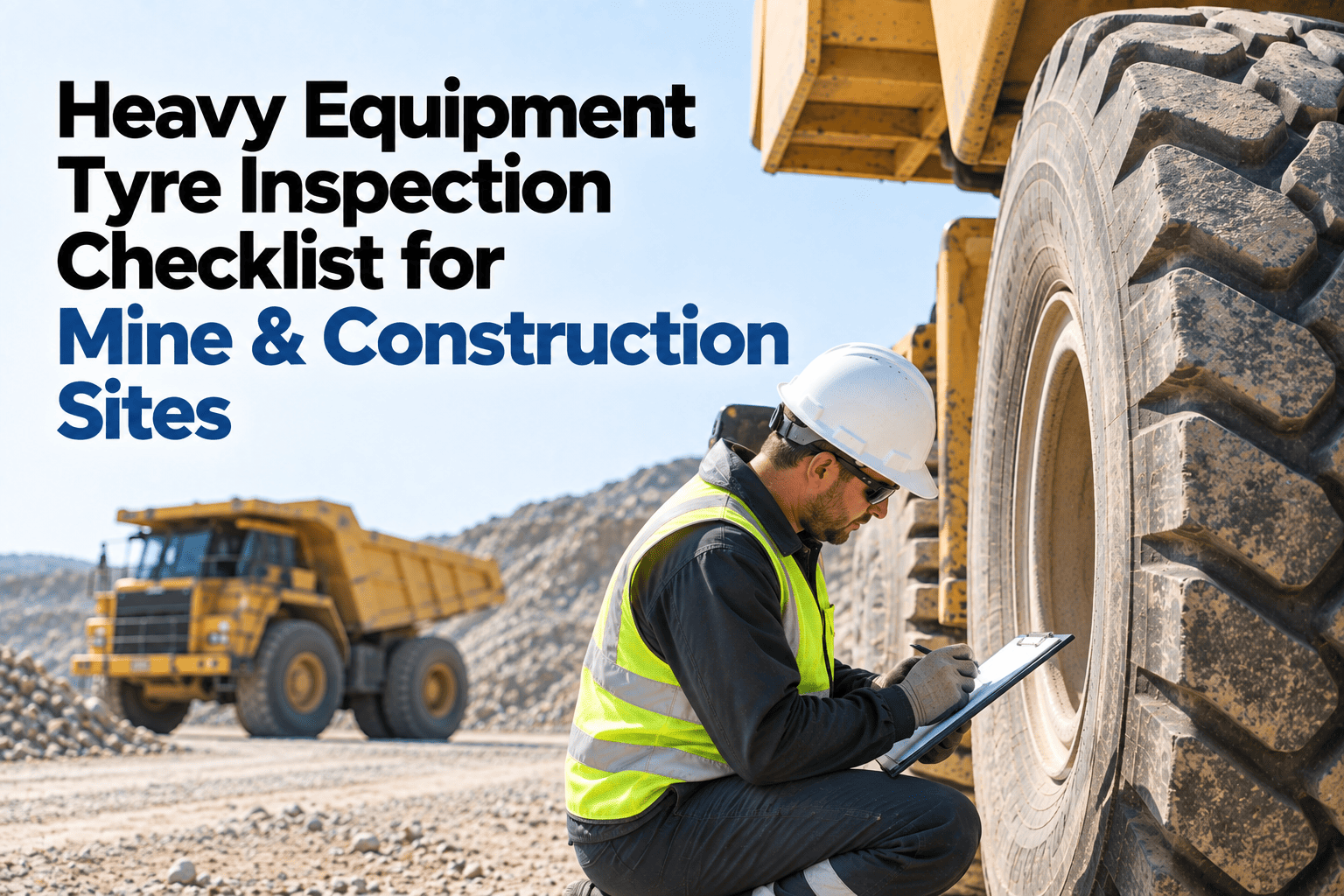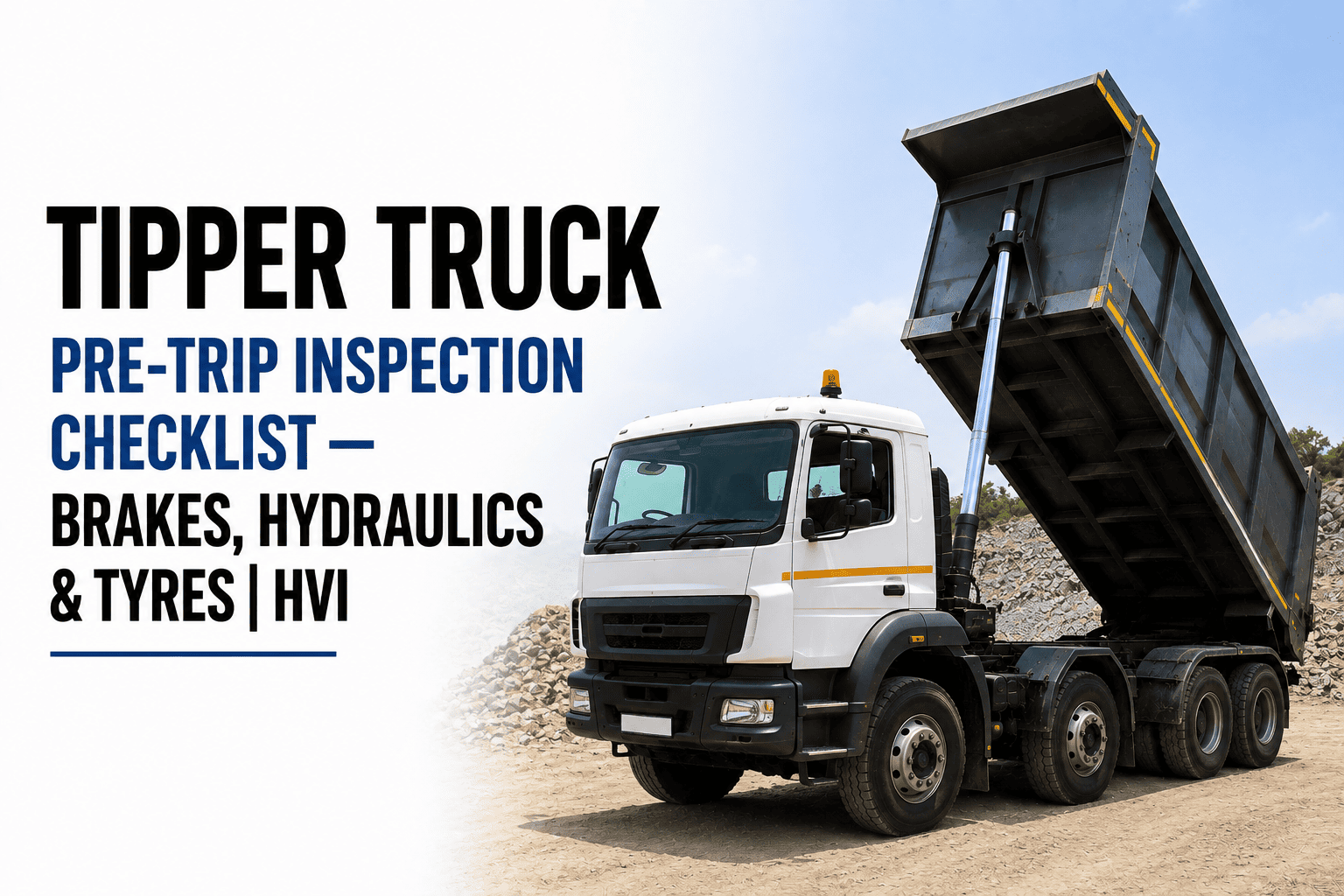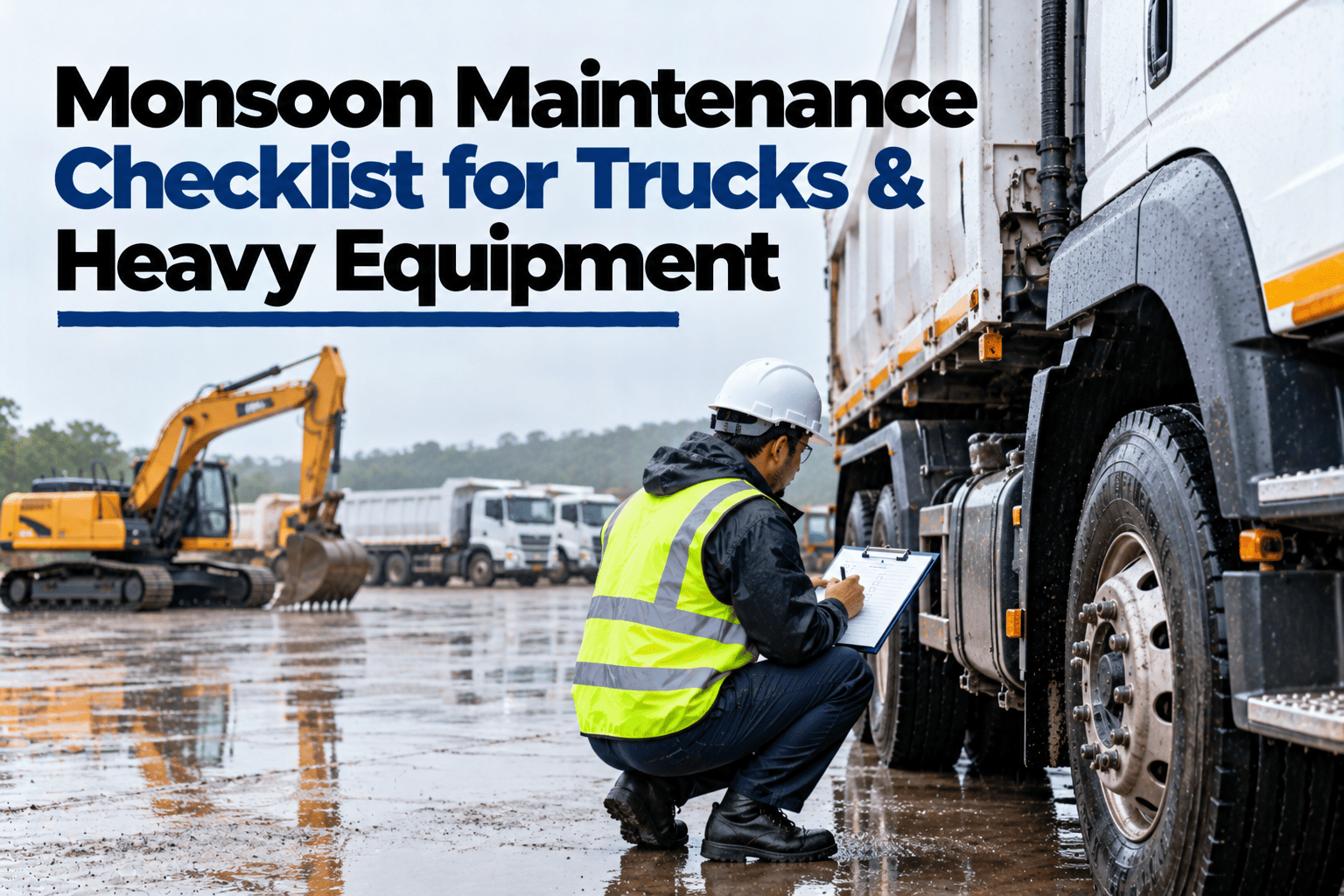
Every year the monsoon tests Indian fleets with slippery roads, waterlogged highways and flooded depots and sites. Water gets into brakes, wiring, air intakes and hydraulic systems, and a machine left in the wrong place can be submerged in a single night. Much of this damage can be prevented with a short checklist run across every vehicle before the rains, and a clear plan for what to do when water rises. This checklist covers trucks, buses and heavy equipment, and shows how fleets run a monsoon inspection campaign in HVI.
Monsoon Maintenance Checklist for Trucks and Heavy Equipment
Brakes, tyres, wipers, lights, batteries and wiring, rust protection, safe parking on sites and what to do when water reaches a vehicle.
Pre-Monsoon Checklist for Every Vehicle
Run this across the whole fleet a few weeks before the rains are expected, so repairs are done in time.
Extra Checks by Vehicle Type
Each type of vehicle has its own monsoon weak points. Add these to the common checklist.
- Tarpaulins and load covers
- Body drain holes clear
- Air tank draining more often
- Roof and window leaks
- Floor and step grip
- Demister and AC drains
- Hydraulic tank breathers
- Swing and pin greasing
- Cab seals and electrics
- Wind and lightning plan
- Wire ropes lubricated
- Outrigger ground on wet soil
Before Heavy Rain Hits a Site
When a heavy rain or flood warning is issued, act before water arrives. Machines on low ground can be lost overnight.
Move to high ground
Park machines away from pits, trenches and drains.
Lower attachments
Buckets, booms and forks down on firm ground.
Protect openings
Cover exhausts and intakes as the maker allows.
Isolate batteries
Switch off isolators and remove keys.
Run One Monsoon Campaign Across the Whole Fleet
HVI sends the pre-monsoon checklist to every depot and site, records results with photos and shows which vehicles are ready and which still need work before the rains.
If Water Reached the Vehicle
How high the water rose decides what needs checking. Record the level with a photo before anything is moved.
| Water reached | Likely damage | What to do |
|---|---|---|
| Below the hubs | Wet brakes, mud in drums | Clean and check brakes before use |
| Hubs and axles | Water in wheel bearings and axles | Check and change axle and hub grease or oil |
| Floor and battery | Wet wiring, connectors and battery | Dry and test electrics before starting |
| Engine and air intake | Water in engine, fuel and oil | Do not start, call the workshop |
| Hydraulic tank | Contaminated hydraulic oil | Test oil and flush if contaminated |
Never try to start an engine that may have water in it. Water drawn into the cylinders can cause severe engine damage in seconds. Tow or lift the vehicle out, and let a mechanic check the intake, oil and fuel first.
Monsoon Campaign Progress in HVI
A sample view of a pre-monsoon campaign across depots.
| Depot or site | Vehicles | Checks done | Open defects | Status |
|---|---|---|---|---|
| North depot | 42 | 42 of 42 | 2 wiper blades | Ready |
| Highway site | 28 | 19 of 28 | 5 tyres, 1 battery | In progress |
| Riverside quarry | 15 | 6 of 15 | Parking area floods | Action needed |
Monsoon Maintenance FAQs
When should pre-monsoon checks be done?
A few weeks before the rains are expected in your region, so there is time to repair brakes, replace tyres and wipers and fix electrical faults before roads turn wet.
How deep can a truck drive through water?
Only as deep as the maker allows, and well below the air intake. If you cannot see the road or judge the depth, do not enter. Check the brakes once through.
What should I do if a machine is flooded?
Do not start it. Note how high the water rose, move it out by towing or lifting, and have the intake, engine oil, fuel, electrics and hydraulic oil checked before use.
How can I protect site equipment during heavy rain?
Move machines to high ground, lower attachments, cover openings as allowed and isolate batteries. Teams that plan in HVI can track which machines are secured.
Can a monsoon checklist be sent to every depot at once?
Yes. A seasonal checklist can be sent to all depots and sites, with progress and defects shown in one view. Book a demo to see monsoon campaigns in HVI.
Ready for the Rains, Every Season
Run pre-monsoon checks across the fleet, protect site equipment before heavy rain, handle flooded vehicles safely and track every defect in HVI. Fewer breakdowns and safer roads all season.