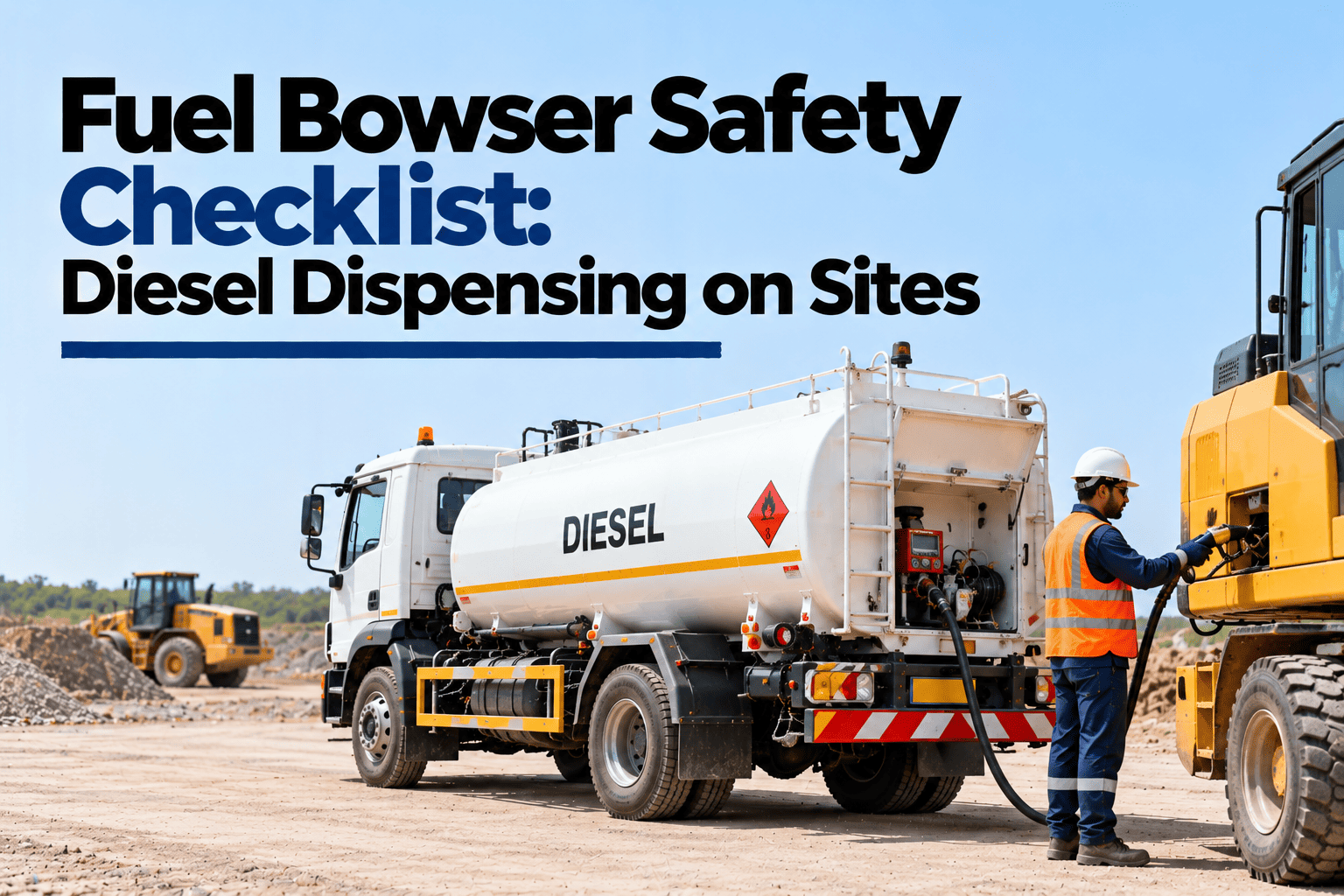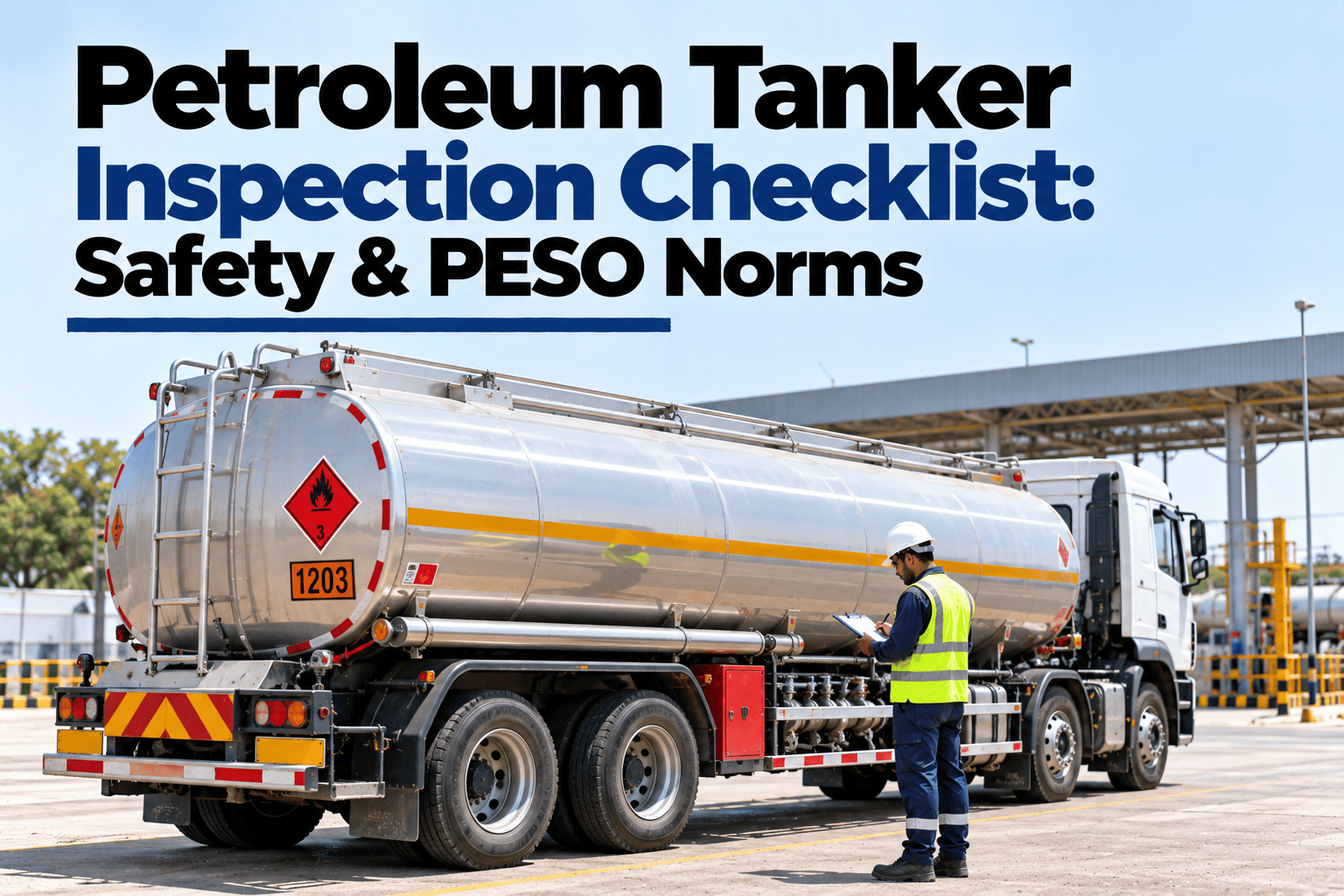
Petroleum and LPG tankers carry some of the most dangerous loads on Indian roads. A leaking valve, a missing spark arrestor or a broken seal can lead to a fire, a spill or a short delivery. Oil companies, PESO and transport rules therefore set strict requirements for tankers and drivers. A thorough pre-trip check, safe loading and valid documents keep tankers safe. This checklist covers them, and shows how transporters keep every tanker audit-ready in HVI.
Petroleum Tanker Inspection Checklist: Safety and PESO Norms
Tank shell, valves and manholes, earthing, spark arrestor, fire extinguishers, hazard labels and emergency cards, plus brakes, tyres and driver documents.
Pre-Trip Checklist
Complete both parts before every trip. Do not load or travel if any safety item fails.
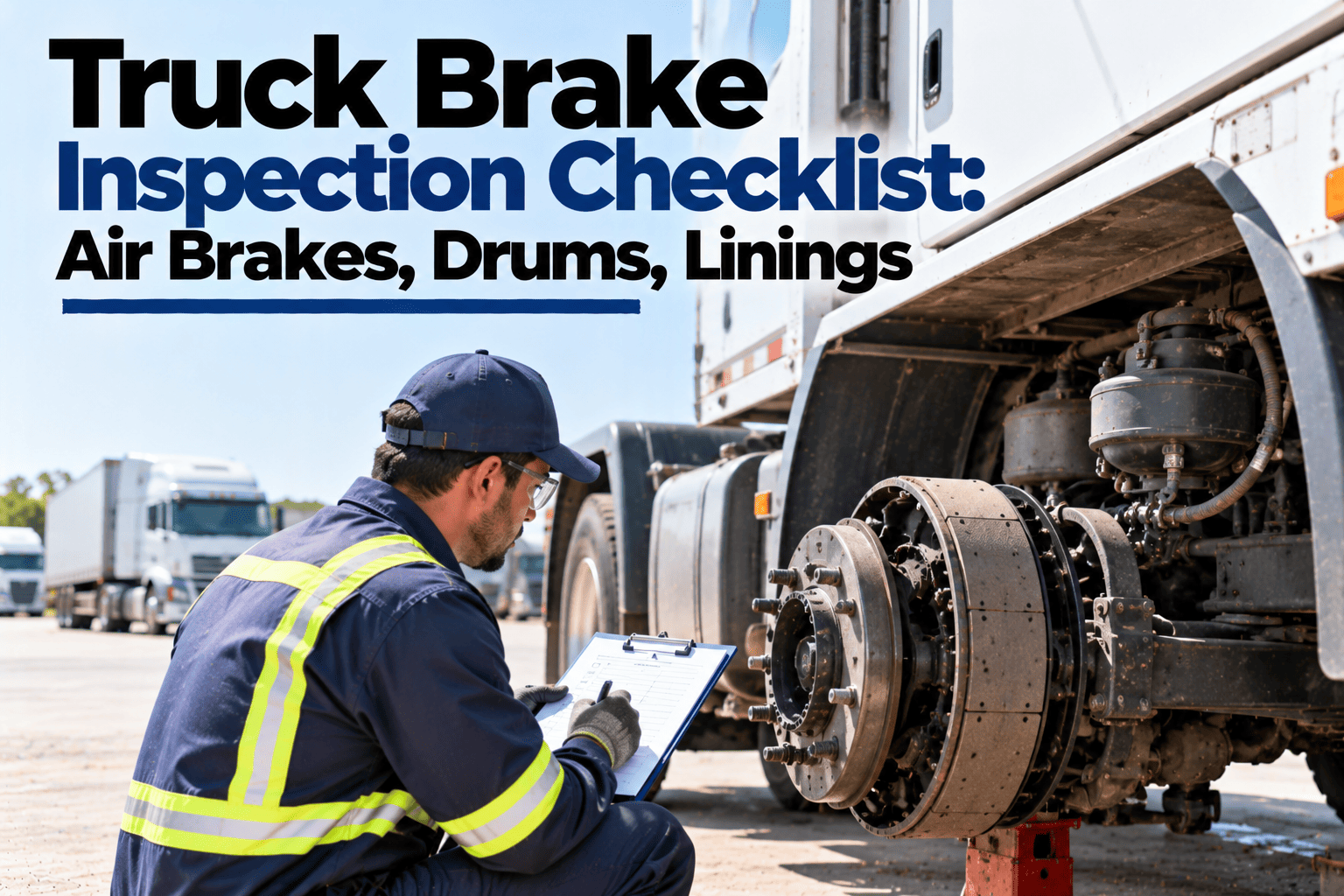
- No leaks from shell, valves or pipework
- Manhole lids and gaskets secure
- Bottom valves and emergency shut-off working
- Spark arrestor fitted on the exhaust
- Earthing cable and clamp in good order
- Fire extinguishers charged and in date
- Hazard labels and emergency card in place
- Brakes, air pressure and parking brake
- Tyres, wheel nuts and spare
- Lights, indicators and horn
- Speed limiter and tracking device working
- Battery and wiring free of damage
- Driver licence and hazardous goods training
- Vehicle documents and licences valid
Documents to Keep Valid
Requirements depend on the product, the tanker and the oil company's contract. Check current rules with PESO, transport authorities and your oil company.
| Document | What it covers | What to check |
|---|---|---|
| PESO licence | Approval for the tanker to carry petroleum | Valid and matching the vehicle |
| Fitness certificate | Roadworthiness of the vehicle | Expiry date |
| Insurance | Vehicle and third-party cover | Valid for hazardous goods |
| Emergency information card | Product hazards and emergency actions | Correct product, kept in the cab |
| Driver training certificate | Hazardous goods driving training | Valid for the driver on duty |
| Calibration certificate | Tank compartment capacities | Valid and on board |
Safe Loading and Unloading
Many tanker fires and spills happen while fuel is being transferred, so routines must be followed every time.
Engine off
Switch off and apply the parking brake.
Earth first
Connect the earthing cable before opening valves.
Stay present
Never leave the tanker during transfer.
Close and seal
Close valves, fit seals and record numbers.
No smoking, naked flames or mobile phone use near a tanker during loading or unloading. Keep a fire extinguisher ready, follow the terminal or station's safety rules, and stop immediately if you see a leak or spill.
Every Tanker Checked, Every Document Tracked
HVI records pre-trip inspections with photos, tracks licences, certificates and driver training expiry dates, and keeps every tanker ready for oil company audits.
Protecting the Load on the Road
Seals, dips and tracking work together to show the product arrived as it left.
Seal numbers
Record every seal at loading and check at delivery.
Dip readings
Compare dips at both ends of the trip.
Route tracking
Watch for unplanned stops and route changes.
Approved halts
Rest only at approved, safe locations.
Tanker Fleet Status in HVI
A sample view across a transporter's tankers, combining inspections with document status.
| Tanker | Product | Pre-trip check | Documents | Status |
|---|---|---|---|---|
| TK-04 | Diesel | Passed | All valid | Cleared to load |
| TK-07 | Petrol | Passed | Driver training expires in 10 days | Renew training |
| TK-09 | Diesel | Spark arrestor missing | All valid | Do not load |
Petroleum Tanker Inspection FAQs
What should be checked on a petroleum tanker before each trip?
Leaks, manholes and valves, emergency shut-off, spark arrestor, earthing cable, fire extinguishers, hazard labels and emergency card, plus brakes, tyres, lights, speed limiter, tracking device and all documents.
Why does a fuel tanker need a spark arrestor?
A spark arrestor stops hot particles from the exhaust escaping where fuel vapour may be present, especially at terminals and fuel stations. Oil companies typically require one on every tanker.
Does a petroleum tanker need a PESO licence?
Tankers carrying petroleum products generally need approval under the petroleum rules administered by PESO. Check the current requirements for your product and tanker type with PESO and your oil company.
How can product loss in transit be controlled?
Record seal numbers and dips at loading and delivery, track the route and allow halts only at approved places. Teams that record trips in HVI can spot gaps quickly.
Can tanker inspections and documents be tracked digitally?
Yes. Pre-trip checks with photos, licences, certificates and driver training can all be tracked with expiry reminders. Book a demo to see tanker records in HVI.
Safe Tankers, Secure Contracts
Inspect every tanker before each trip, load and unload safely, protect the load with seals and tracking, and keep every document valid in HVI. Fewer incidents and smoother oil company audits.